Methane is one of the most common industrial processes, but it is among the most difficult gases to control without proper equipment. A small leakage of this gas is likely to lead to safety hazards, increased operating costs, and non-compliance with environmental laws. This is the reason many industries have turned their attention towards gas monitoring.
The use of an analyzer will ensure that you monitor the concentration of this gas accurately before it becomes too expensive. No matter what industry you belong to, you should always select the best analysing device to improve safety and efficiency.
This guide explains how methane analyzers work, where they are used, the technologies behind them, and the key features to consider before making a purchase. It also covers maintenance, industry standards, and practical tips to help you make an informed decision.
What Is a Methane Analyzer?
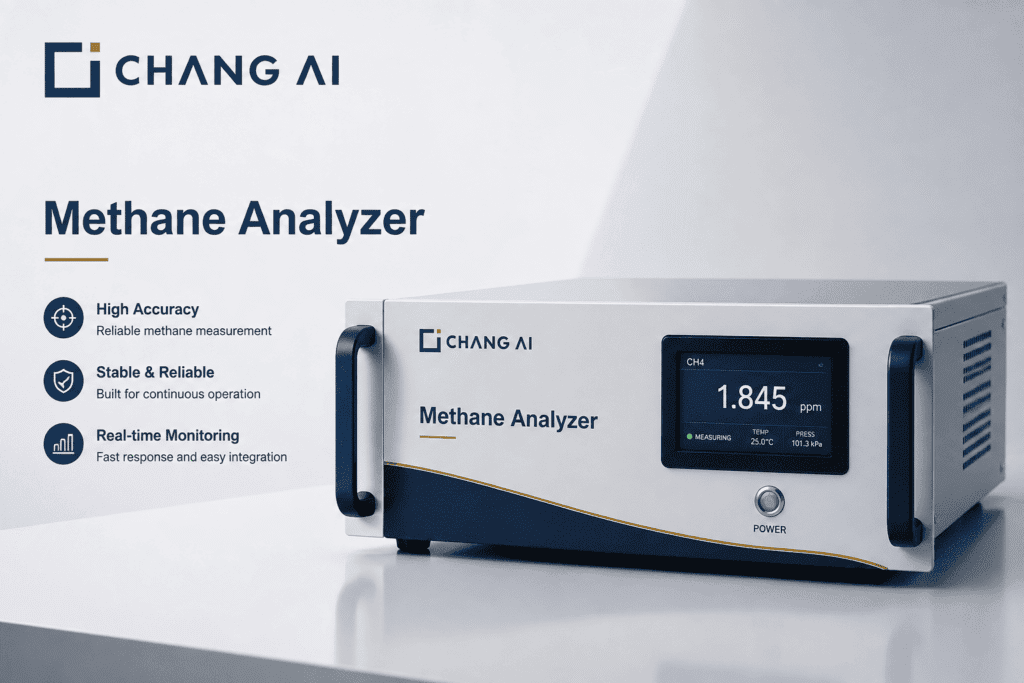
It is defined as a piece of equipment used to measure the amount of methane gas present in the air or process gas. Contrary to the gas alarm that gives an alarm when the amount of methane becomes dangerous, the analyzer gives accurate measurements which help with monitoring trends and improving process control.
Industries utilise methane analyzers due to the importance of methane as it is both useful and dangerous. On one hand, it is used as fuel, but on the other hand, its accumulation in confined spaces poses an explosion threat.
Modern analyzers enable continuous monitoring and provision of accurate results in real time. This makes it possible for engineers to detect any deviations in advance.
Why Methane Monitoring Is Critical
Methane is colourless, odourless, and highly flammable. Without it, leaks can go unnoticed until they become a serious risk.
Protecting Worker Safety
Methane detection at an earlier stage can avoid fires and explosions. Continuous monitoring can help provide enough time to take corrective actions when the environment becomes dangerous.
Improving Operational Efficiency
Any methane leak causes wastage of product as well as cost. Continuous monitoring helps in identifying any defects that can be useful in increasing efficiency.
Supporting Environmental Compliance
Continuous monitoring of methane levels is beneficial for companies in managing their emissions and complying with environmental standards.
How Does a Methane Analyzer Work?
It measures the concentration of methane in a gas sample using specialised sensing technology. While different analyzers use different methods, they all follow the same basic process to deliver accurate, real-time readings.
The Basic Process
- The analyzer draws in a gas sample.
- The sensing system responds to methane based on the analyzer’s measurement principle.
- The system measures the methane concentration.
- The reading appears on the display.
- The data is sent to a monitoring or control system, if required.
Modern analyzers repeat this process continuously, providing reliable, real-time monitoring for industrial applications.
Types of Methane Analyzer Technologies
Different methane analyzer technologies are designed for different applications. The right choice depends on the required accuracy, operating environment, and maintenance needs.
Non-Dispersive Infrared (NDIR)
NDIR measures methane based on its absorption of infrared radiation at specific wavelengths. It features fast response time and low maintenance and is suitable for continuous industrial monitoring.
Laser-based analyzer
It analyses methane with high precision and sensitivity, particularly at low concentrations. It is widely used in monitoring emissions, laboratory analysis and research purposes.
Catalytic Sensors
Catalytic sensors detect combustible gases through catalytic oxidation, producing a measurable change related to the gas concentration. It responds quickly to any changes and is thus appropriate for use in safety systems.
Thermal Conductivity Sensor
A TCD measures differences in thermal conductivity between gases and can be used to determine methane concentration in suitable gas mixtures. It is extensively used in biogas facilities, gas production industries and other processes.
Flame Ionisation Detection (FID)
It uses a hydrogen flame to detect methane concentration by converting the gas to ions. A TCD measures differences in thermal conductivity between gases and can be used to determine methane concentration in suitable gas mixtures.
Methane Analyzer vs Methane Detector
| Feature | Methane Analyzer | Methane Detector |
| Purpose | Quantitative methane measurement | Safety monitoring and alarm |
| Accuracy | High, with precise readings | Basic detection only |
| Monitoring | Continuous, real-time measurement | Alerts when gas reaches a set level |
| Data Logging | Yes | Limited or not available |
| Process Control | Suitable for industrial process monitoring | Not designed for process control |
| Best Used For | Industrial plants, emissions monitoring, gas analysis | Personal safety, leak detection, confined spaces |
| Cost | Higher due to advanced features | Generally more affordable |
Where Are Methane Analyzers Used?
It is used across many industries where methane is produced, stored, or processed. It helps improve safety, increase efficiency, and support environmental compliance.
Oil and Gas Facilities
Methane analyzers monitor natural gas operations and help maintain safe, efficient production.
- Monitor gas pipelines
- Detect methane leaks
- Measure gas quality
Continuous monitoring improves plant safety and reduces product loss.
Biogas and Renewable Energy Plants
Biogas plants rely on methane analyzers to optimise gas production and energy output.
- Measure methane content
- Improve gas quality
- Maximise energy production
Accurate monitoring helps increase the value and efficiency of biogas.
Wastewater Treatment Plants
Methane is generated during the treatment of organic waste and must be monitored carefully.
- Prevent gas build-up
- Improve biogas recovery
- Protect workers
Reliable monitoring supports safer and more efficient plant operations.
Chemical Manufacturing
Many chemical processes require precise methane measurement for safe and stable production.
- Maintain product quality
- Optimise processes
- Improve workplace safety
Continuous monitoring helps reduce risks and improve efficiency.
Landfill Gas Monitoring
Landfills produce methane as waste decomposes, making regular monitoring essential.
- Track methane emissions
- Recover landfill gas
- Meet environmental regulations
Monitoring helps reduce environmental impact and improve compliance.
Power Generation
Natural gas power plants use methane analyzers to improve performance and reliability.
- Improve fuel efficiency
- Monitor combustion
- Control emissions
Accurate methane measurement supports efficient and reliable power generation.
Benefits of Installing a Methane Analyzer
Installing it helps businesses improve safety, efficiency, and operational performance. It also supports compliance while reducing long-term costs.
Better Workplace Safety
Continuous monitoring helps detect methane gas leaks before they become hazardous. This improves safety for employees, equipment, and the entire workplace.
Reduced Operating Costs
Early detection minimises product wastage and eliminates expensive repairs. In addition, this results in greater fuel efficiency and lower maintenance costs.
Greater Process Control
Methane gas measurement allows operators to make smart decisions and control the manufacturing process. This ensures high-quality products and smooth production.
Easier Regulatory Compliance
A properly selected, installed, and maintained methane analyzer can provide reliable measurement data for emissions monitoring and regulatory reporting.
Improved Sustainability
Continuous monitoring assists in minimising methane gas emissions. Although this may seem like a small impact, every step counts.
Long-Term Return on Investment
Although the initial investment can be significant, the long-term savings often outweigh the cost. Lower maintenance, improved efficiency, and reduced downtime deliver lasting value.
Key Features to Look for Before Buying
Choosing the right methane analyzer ensures accurate monitoring and reliable long-term performance. Focus on features that match your application and operating environment.
Measurement Range
The selected analyzer should have a measurement range which meets the demands of your process. It will provide precise measurements both of trace amounts of methane and high concentrations of this gas.
Accuracy and Repeatability
Excellent accuracy provides reliable and consistent results in the long run. Select an analyzer with excellent performance and low calibration drift.
Response Time
Quick response enables rapid detection of methane fluctuations. It is very helpful for the operator’s reaction and for improving workplace safety.
Data Logging and Connectivity
Modern analyzers allow not only to measure but also to log data and communicate with SCADA and PLC systems. It simplifies further monitoring, reporting, and remote access.
Durable Construction
Industrial processes may be severe, so the selected analyzer should be robust enough to operate under the conditions of dust, moisture, and temperature extremes. Robust construction means less maintenance.
Easy Operation
An ergonomic interface makes the analyzer more convenient to use and maintain. Features such as a good display and easy calibration are very helpful.
Fixed vs Portable Methane Analyzer
| Feature | Fixed Methane Analyzer | Portable Methane Analyzer |
| Installation | Permanently installed | Handheld or portable unit |
| Monitoring | Continuous, 24/7 monitoring | Temporary or spot monitoring |
| Best Used For | Manufacturing plants, oil & gas, wastewater treatment, chemical plants, power stations | Leak surveys, site inspections, confined spaces, commissioning, emergency response |
| Main Advantages | Continuous monitoring, automatic alarms, remote access, long-term data logging | Easy to carry, quick deployment, flexible use, lower initial cost |
| Connectivity | Integrates with SCADA, PLC, and control systems | Usually standalone with limited connectivity |
| Compliance | Ideal for regulatory compliance and continuous reporting | Suitable for inspections but not continuous compliance monitoring |
| Ideal Choice | Permanent industrial gas monitoring | Maintenance, inspections, and temporary testing |
Installation Best Practices
Proper installation helps a methane analyzer deliver accurate readings and reliable performance. It also reduces maintenance and extends the equipment’s lifespan.
Choose the Right Location
The sampling or installation location should be selected based on the measurement objective, process conditions, and expected methane distribution.
Protect the Sampling System
Sampling lines should be appropriately designed and, where practical, kept as short as possible to minimise response time and sample-conditioning issues
Follow Manufacturer Guidelines
Mount, connect, and ventilate the equipment as per the manufacturer’s instructions. Such actions will help avoid faults that can easily occur.
Test Before Use
Before putting into use, make sure that gas levels, alarm system, communication system, and power supply function well.
Calibration and Maintenance
Periodic calibration and maintenance of the analyzer help ensure accurate measurements during its entire lifetime. Otherwise, the device may give false results, resulting in downtime and non-compliance with regulations.
Calibration involves checking and, where required, adjusting the analyzer response against appropriate reference gases. Calibration is typically included in the maintenance schedule for industrial analyzers, with frequency determined by the application and manufacturer’s recommendations.
Maintenance should consist of checking the sensor, inspection of sampling lines, cleaning filters, checking alarms, and testing communication signals. The period of calibration is determined by the manufacturer and specific conditions.
Common Problems and Troubleshooting
Most analyzers provide reliable performance when properly maintained. Identifying common issues early helps reduce downtime and maintain accurate measurements.
Unstable Readings
Unstable readings may be due to dirty filters, ageing sensors, moisture, and improper calibration of the device. In most cases, cleaning and recalibration should solve the problem.
Slow Response Time
Blockage of sampling lines, pump failure, or clogging of filters may lead to delays. Regular inspection will bring response time back to normal.
Frequent False Alarms
In case of false alarms, the reason can be wrong settings, sensor contamination, and poor installation. It would be best to check these aspects first.
Connection Issues
Connection problems may be related to cable damage, wrong settings, and power supply failures. Advanced modern analyzers feature diagnostic options to make troubleshooting easier.
Preventive Maintenance
Regular maintenance helps avoid failures and malfunctions. Documentation of maintenance work also contributes to increased equipment reliability.
Industrial Standards and Certifications
Choosing a methane analyzer involves more than performance alone. Industry certifications ensure the equipment meets recognised standards for safety, accuracy, and reliability.
ATEX Certification
For installations within the scope of the ATEX Directive, equipment intended for use in potentially explosive atmospheres must meet the applicable ATEX requirements. It ensures safety in places where methane gas could be found.
- Explosive atmosphere compatible
- Increases safety in the workplace
- Meets European safety standards
Select an ATEX-certified analyzer for hazardous work environments.
IECEx Certification
IECEx is an internationally recognised certification of equipment that can be used in environments with the risk of explosion. It ensures safe functioning on various international industrial sites.
- Internationally recognized
- Hazardous environments
- Globally compliant
IECEx certification is widely recognised for equipment intended for hazardous-area applications in international markets.
ISO Standards
ISO 9001 certification indicates that a manufacturer operates a quality management system meeting the requirements of the standard.
- Product quality consistency
- Better product reliability
- Better documentation
Choose suppliers who adhere to standards like ISO 9001.
Environmental Compliance
Many industries need to measure methane emissions to comply with environmental regulations. It is important to have a reliable analyzer to achieve accurate results.
- Accuracy of emissions measurements
- Reliable compliance records
- Helpful in environmental programs
It is always important to make sure that the analyzer complies with your industry regulations.
How to Choose the Right Methane Analyzer
Selecting the right analyzer depends on your application, operating conditions, and monitoring requirements. Focusing on these factors makes it easier to choose the best solution.
Define Your Application
Identify whether you need to monitor ambient air or process gas, and decide if continuous or occasional monitoring is required. Understanding your needs helps narrow down the right analyzer.
Consider the Operating Environment
Choose an analyzer that is designed for the conditions where it will be used. Factors such as temperature, humidity, dust, and hazardous areas can affect performance.
Think Beyond the Purchase Price
Consider long-term costs such as maintenance, calibration, sensor lifespan, and spare parts. A reliable analyzer often provides better value over its lifetime.
Choose a Trusted Supplier
An experienced supplier can recommend the right product and provide installation, calibration, and after-sales support. Reliable technical assistance helps ensure long-term performance.
Why Businesses in Malaysia Choose Chang Ai Technology
In Malaysia, Chang Ai Technology is a name that stands out in providing efficient gas monitoring equipment designed to provide reliable performance in demanding industrial conditions. This company offers methane analyzers that are applicable in various industries including manufacturing, oil & gas, wastewater treatment, and renewable energy.
As an expert firm, Chang Ai Technology offers customers professional advice on choosing the most appropriate equipment that matches their particular monitoring requirements. Their equipment is aimed at supporting continuous monitoring of gases, process efficiency, and workplace safety.
Beyond supplying equipment, Chang Ai Technology also offers guidance on product selection, installation, and maintenance. This ensures businesses receive dependable support and long-term value from their methane monitoring systems.
Conclusion
A methane analyzer is an important tool in today’s industry, where the need for gas monitoring plays a significant role. This device is essential for increasing safety at the workplace, helping to comply with environmental laws, and delivering precise data for improving the process of manufacturing. From the correct choice of a sensing method to appropriate maintenance, all of these factors contribute to the long and trouble-free life of the equipment.
Choosing the correct equipment for your needs is always the first thing that you should think about. The correct matching of the instrument and the application will guarantee precise measurements, no extra time loss, and smooth daily work.