Every second of wasted fuel, poor combustion, or unstable production costs manufacturers money. Yet many factories still overlook one of the simplest ways to improve performance—accurate oxygen monitoring. Small changes in oxygen levels can affect product quality, energy use, equipment life, and production output.
As industries focus on efficiency and sustainability, oxygen monitoring has become a key part of daily operations rather than an optional upgrade. An advanced oxygen analyzer gives operators reliable data that helps them make better decisions throughout the production process. From combustion systems to gas generation and heat treatment, accurate oxygen measurement supports safer, more efficient, and more consistent manufacturing.
Why Oxygen Monitoring Has Become a Critical KPI in Modern Manufacturing
Production cannot be quantified based on output anymore. Companies now care about the efficiency of energy usage, the quality of products, reliability of equipment, and their environment.
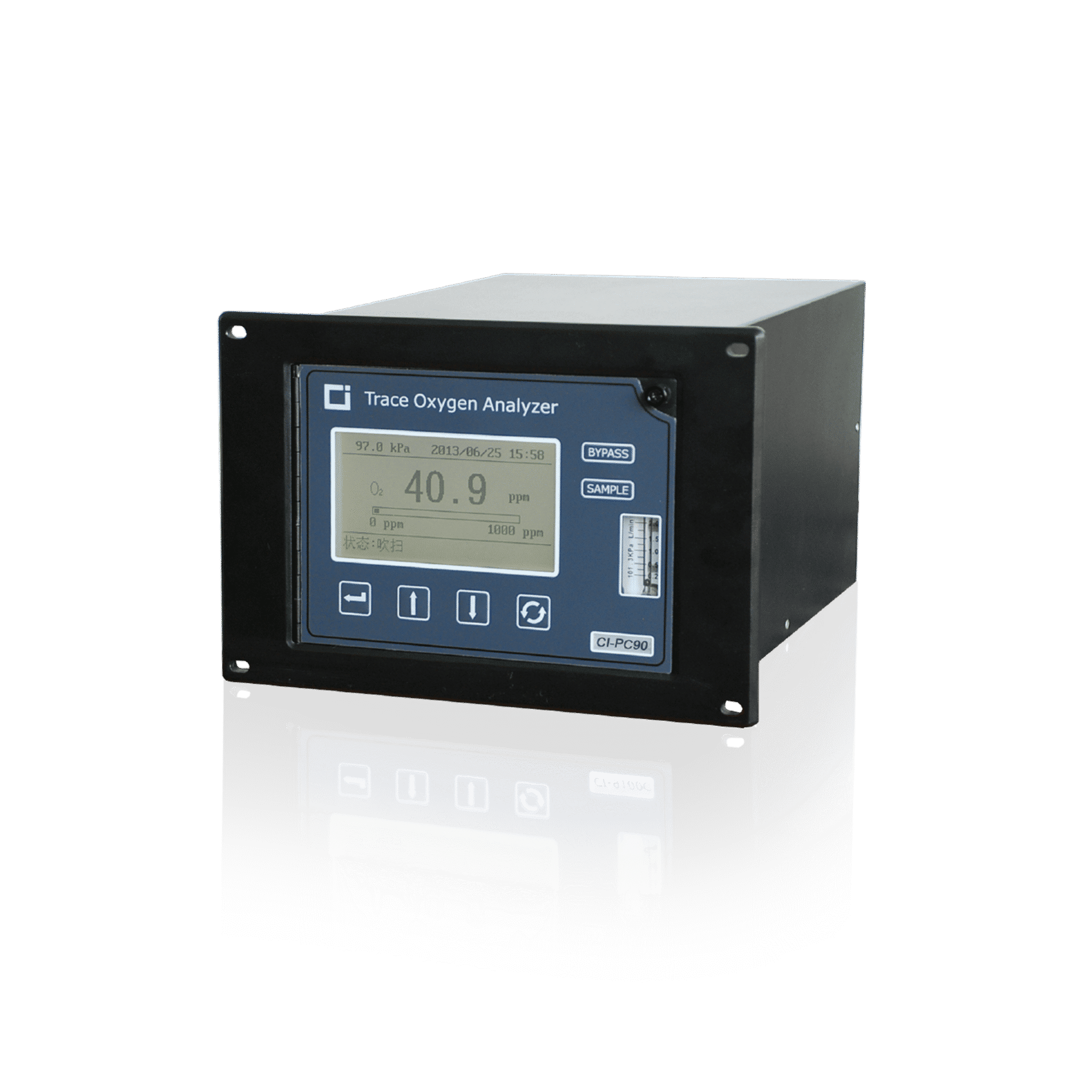
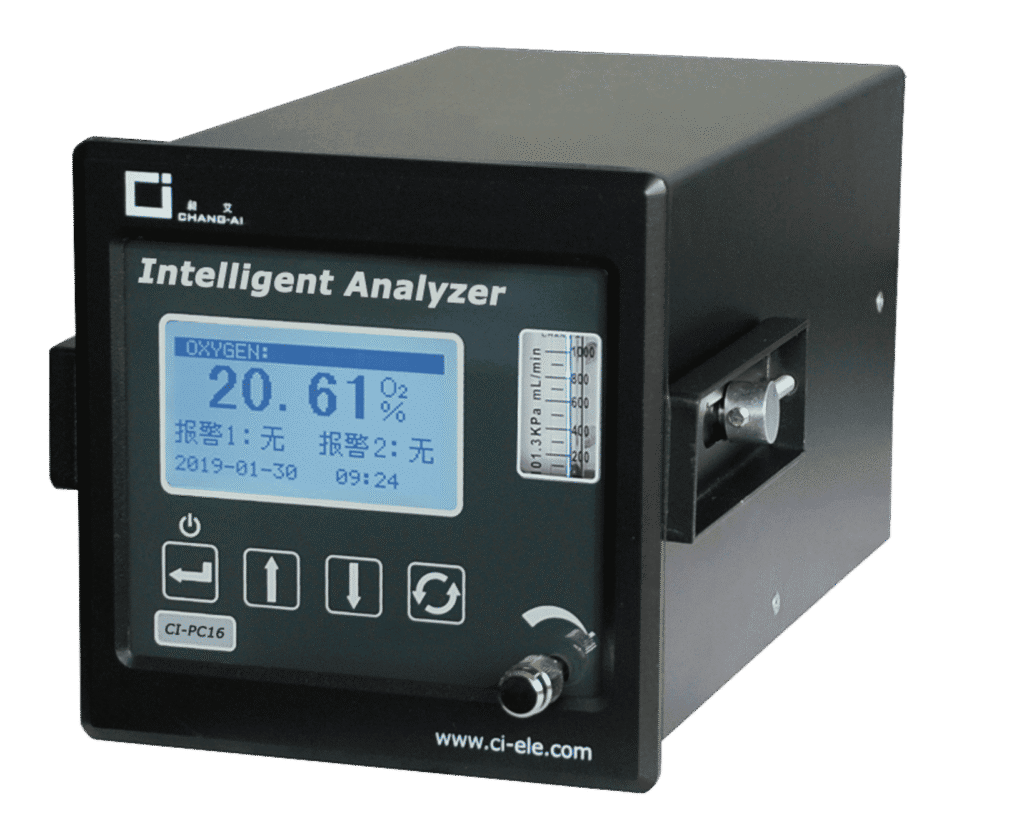
This is why oxygen measurement has become one of the important KPIs. Oxygen analyzer measures the level of oxygen in process gas. This allows operators to optimise the combustion process, control the process and avoid problems that may negatively impact the manufacturing process.
There are several reasons behind the increased importance of this KPI:
- Growing cost of energy
- More stringent environmental regulations
- The need for consistent quality of products
- Predictive maintenance
- Smart manufacturing
That is why manufacturers need to have accurate real-time information about oxygen.
Hidden Production Losses Caused by Poor Oxygen Control
Poor oxygen control can reduce efficiency without obvious warning signs. Over time, it leads to higher operating costs, lower product quality and unnecessary production losses.
Excess Oxygen Wastes Energy
Too much oxygen introduces excess air into the combustion process. This reduces thermal efficiency and increases fuel consumption.
- Heat escapes through exhaust gases.
- Burners use more fuel than needed.
- Overall energy efficiency declines.
Low Oxygen Reduces Combustion Efficiency
Insufficient oxygen results in incomplete combustion. This affects both equipment performance and operating costs.
- Carbon deposits build up.
- Emissions increase.
- Flame stability decreases.
- Equipment fouling becomes more common.
- Unexpected shutdowns may occur.
Inconsistent Oxygen Affects Product Quality
Many industrial processes rely on stable oxygen levels to maintain consistent production. Even small fluctuations can affect the final product.
- Uneven heating
- Product defects
- Material waste
- More rejected batches
- Longer production cycles
Accurate oxygen monitoring helps identify these issues early, reducing waste and improving overall process performance.
Mapping Oxygen Measurement Across the Entire Production Process
Oxygen monitoring plays an important role throughout the manufacturing process, not just at a single stage. Measuring oxygen at key points helps improve efficiency, product quality and process control.
Combustion Systems
A correct air-fuel ratio is needed for boilers, furnaces and kilns. It saves fuel, enhance combustion efficiency and reduce emissions.
Heat Treatment
Heat treatments use controlled atmospheres in furnaces. It helps avoid oxidation and provide consistent operational results.
Gas Production
Accurate oxygen levels are crucial for industrial gas generation. It improves the stability of gas generation and process performance.
Chemical Industry
Oxygen levels must be strictly controlled during many chemical processes. It helps to increase reaction efficiency and safety.
Food & Pharmaceutical Industries
Precise oxygen control is needed for modified atmosphere packaging and sterilised products. It helps improve product shelf-life and quality.
Operational Decisions That Depend on Accurate Oxygen Data
Accurate oxygen data helps manufacturers make faster and more informed operational decisions. With real-time insights, teams can improve efficiency, reduce waste and keep production running smoothly.
Operators Can Adjust Combustion Instantly
Oxygen measurement helps operators monitor and optimise combustion conditions.
- Tune up the burners
- Achieve optimum air/fuel ratio
- Maintain steady temperatures in the furnace.
Early adjustments improve combustion efficiency and reduce unnecessary fuel consumption.
Maintenance Teams Can Identify Developing Faults
A sudden change in oxygen levels can indicate developing process or equipment problems.
- Detect Air Leaks
- Detect Burner Wear
- Detect Sensor Contamination
Early fault detection reduces downtime, maintenance costs and unexpected repairs.
Production Managers Gain Better Visibility
Oxygen data will provide better insight into production performance from shift to shift and production line to production line.
- Inefficient processes can be identified.
- This leads to improved production performance.
- Variability in the process is reduced.
Better visibility supports continuous improvement and long-term operational performance.
How Oxygen Monitoring Supports Predictive Maintenance
Predictive maintenance allows manufacturers to pinpoint equipment problems before they cause expensive breakdowns. Oxygen measurements can provide useful condition-monitoring data that, together with other process information, may help identify developing equipment or process problems. Rather than adhering to strict maintenance schedules, servicing can be conducted depending on equipment performance, thus saving from unnecessary maintenance and unscheduled breakdowns.
The advantages of this method are numerous:
- Less unplanned stoppages
- Reduced maintenance expenses
- Increased equipment longevity
- Better manufacturing planning
- Greater reliability of plant operations
The use of condition monitoring systems together with oxygen data gives important information regarding equipment performance.
Reducing Energy Consumption Through Better Oxygen Control
Energy is one of the most expensive items in production. An oxygen analyzer can help optimise the process of combustion, saving fuel and improving the efficiency of the process in general.
Maintain the Correct Air-to-Fuel Ratio
A proper air-to-fuel ratio will optimise the process of combustion and prevent losses of energy. Oxygen monitoring helps to achieve this effect while saving on emissions.
Reduce Fuel Consumption
Oxygen monitoring lets you make changes quickly when fuel consumption rises. It will help to save on operational costs, be more efficient and prolong the life of burners.
Improve Thermal Performance
Stable oxygen levels can support consistent combustion and help maintain furnace operating conditions.
How Oxygen Monitoring Improves Product Quality
Consistent product quality depends on stable process conditions. Accurate oxygen monitoring helps reduce defects, minimise waste and maintain reliable production standards.
Better Control Delivers Better Results
Many industrial processes require precise oxygen concentration for consistency of production. An oxygen analyzer is therefore an important piece of equipment that can help maintain the required condition during production.
- Heat treatment needs a controlled atmosphere in the furnaces.
- Glass production requires combustion.
- Oxygen measurement is used in various stages of steel production to monitor combustion and process conditions.
- Packaging of food needs precise oxygen concentration for preservation.
Consistency is supported by maintaining oxygen levels within the required operating range.
Key Quality Benefits
Proper oxygen measurement will lead to increased efficiency and increased consistency of production.
- Less wasted product
- Increased dimensional accuracy
- Superior surface finish
- Decreased oxidation
- Increased consistency of production
Such changes will help to avoid any additional work and increase customer trust.
Industry Examples of Process Optimisation
Many industries use oxygen monitoring to improve efficiency and process control. A reliable oxygen analyzer helps reduce costs, improve product quality and support consistent production.
Steel Manufacturing
Oxygen measurement is performed in steel manufacturing during the melting and heating process. The precise measurement helps achieve better combustion and reduce oxidation.
Cement Production
Cement kilns require a large amount of energy. The measurement of oxygen helps achieve better combustion and temperature stabilisation in the kiln.
Power Generation
Efficient combustion in electric power plants results in increased production. Oxygen measurement ensures better efficiency of boilers and reduced emissions.
Chemical Processing
Controlled oxygen helps maintain chemical processes. Better product yield and minimised waste can be achieved due to the precise oxygen level.
Food and Beverages Production
The controlled oxygen content in food and beverages manufacturing ensures higher quality of the products during packaging.
Integrating Oxygen Data into Smart Manufacturing
Smart manufacturing depends on real-time data to increase efficiency and decrease downtime. A contemporary oxygen analyzer is capable of connecting with the SCADA, PLC and IIoT systems to allow greater visibility and control of the production process.
Connected oxygen analysis will be useful for manufacturing as it allows:
- Monitoring multiple production lines from a single spot
- Getting automatic notifications for any process changes
- Analysing historical performance
- Comparing production efficiency between shifts
- Automatically creating maintenance reports
The historical data about oxygen levels is also useful for engineers to pinpoint any problems and optimise the working process.
Common Operational Mistakes That Reduce Process Efficiency
Poor oxygen monitoring can reduce efficiency, even when the right equipment is in place. Avoiding a few common mistakes helps improve performance and maintain reliable process control.
Ignoring Sensor Calibration
A properly calibrated sensor ensures the accuracy of an oxygen analyzer. Malfunctions related to poor calibration might result in faulty readings and inefficiencies in the process.
Delaying Sensor Replacement
Depending on the sensor technology and operating conditions, sensor performance may deteriorate over time. Follow the manufacturer’s recommendations for calibration, inspection, and replacement.
Relying on Manual Measurements
Only manually taken measurements show current results. The continuous measuring provides up-to-date information, which allows operators to react to changing conditions promptly.
Failing to Review Historical Data
The examination of historical oxygen data helps identify inefficiencies and potential problems with equipment. Analysing such information allows for more informed decision-making.
Treating Oxygen Monitoring as a Maintenance Tool Only
Oxygen monitoring is supposed to be used as part of the regular operation process. Proper utilisation of oxygen data during the process will increase its efficiency.
KPIs That Improve with Better Oxygen Monitoring
Improved oxygen management has a direct effect on KPIs that are critical for operations. Monitoring of these KPIs before and after the installation of the oxygen analyzer is important for assessing improvements in performance.
The following KPIs need to be monitored:
- Amount of fuel burned per unit of production
- Amount of unplanned downtime
- Emission levels or compliance status, where applicable
- Product rejection/reworking ratio
- Cost of maintenance per machine
The monitoring of these KPIs clearly demonstrates the improvements in efficiency and performance.
Future Trends in Industrial Oxygen Monitoring
Industrial oxygen monitoring is becoming smarter and more connected. Modern oxygen analyzers offer greater accuracy while supporting more efficient manufacturing.
Smarter Sensors
The advanced sensors give fast response, greater accuracy, and a longer operational life. They require less maintenance in difficult environments.
Greater Use of Industrial IoT
AI analyses the oxygen data to identify patterns and potential problems, helping improve the production process.
AI and Advanced Analytics
AI analyses oxygen data to detect trends, predict equipment issues and improve process efficiency.
Stronger Focus on Sustainability
Accurate oxygen monitoring helps reduce energy use and emissions, supporting long-term sustainability goals.
Process Optimisation Checklist Before Upgrading Oxygen Monitoring
Before you choose an oxygen analyzer or upgrade an existing one, go through the following checklist:
- Identify all the locations within your process at which oxygen information would influence the decision-making process.
- Ensure the sensing technology is compatible with the temperature range and gases used.
- Ensure that the system is compatible with your control system.
- Determine whether the calibration and maintenance requirements fit your capabilities.
- Document your existing fuel consumption, downtime, and reject rates for comparison purposes.
Conclusion
Modern manufacturing depends on accurate data, and oxygen measurement has become one of the most valuable sources of operational insight. A reliable oxygen analyzer helps improve combustion, reduce energy use, maintain product quality and support predictive maintenance. It also gives operators the confidence to make faster and more informed decisions throughout the production process.
As factories become more connected, oxygen monitoring will play an even greater role in improving efficiency and supporting sustainable operations. Businesses that invest in accurate oxygen measurement today are better prepared to achieve consistent performance, lower operating costs and long-term process optimisation.