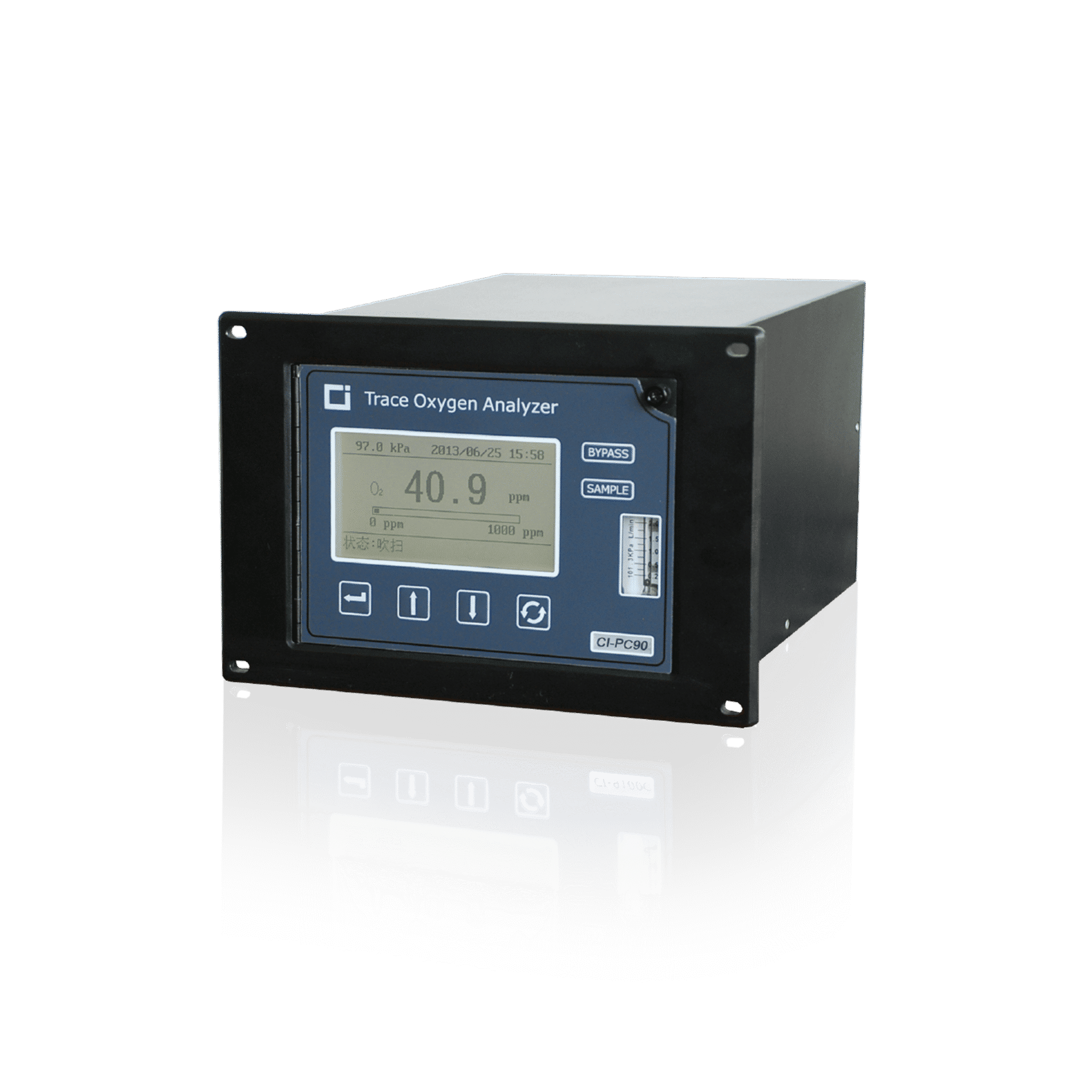
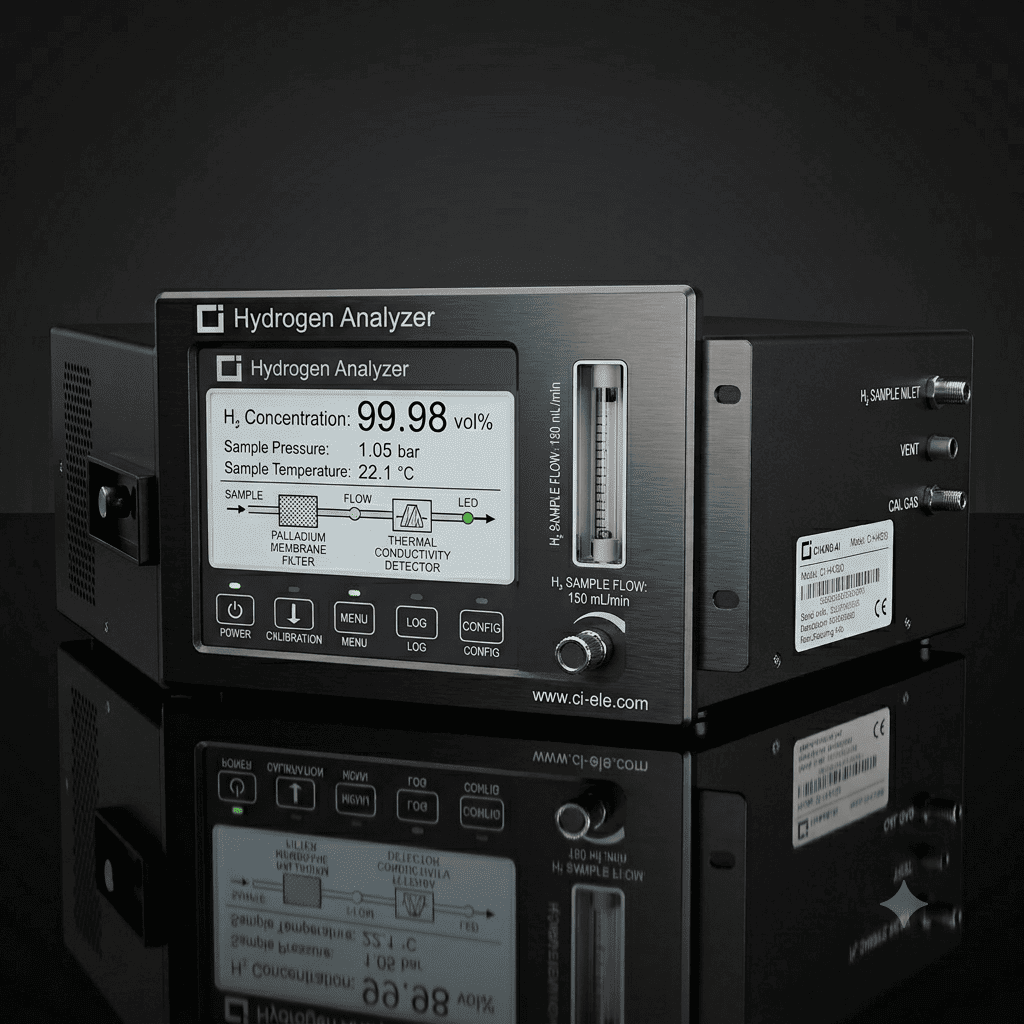
Hydrogen plays a bigger role in modern industry than ever before. It supports power generation, chemical processing, oil refining and many other critical operations. Yet it also creates one of the biggest safety challenges in industrial environments. Since hydrogen has no colour, smell or taste, even a small leak can go unnoticed until it becomes a serious hazard.
That is why many organisations now see hydrogen safety as more than a compliance task. It has become part of business continuity, asset protection and operational performance. A reliable hydrogen analyzer provides operators with the information they need before small issues become costly failures. This guide explains where hydrogen risks occur, why preventive monitoring matters, and how continuous analysis helps protect people, equipment and production.
Why Hydrogen Safety Has Become a Board-Level Business Priority
Hydrogen safety is not confined to the responsibility of one single department. Now, it has become an issue that touches upon the operations, maintenance, finances, and even the entire corporate risk aspect, thus becoming important to the top level of decision makers.
One of the main reasons behind this situation is the growing cost of unexpected downtime. Any unexpected shutdown is accompanied by high costs for repairing and restoring the work process. Hydrogen monitoring can help identify changes in hydrogen concentration and provide early warning of abnormal conditions.
At the same time, valuable industrial assets and stricter safety regulations have increased the need for proactive monitoring. Continuous hydrogen monitoring improves compliance, reduces operational risk and helps protect both equipment and business performance.
Understanding the Hidden Risks of Hydrogen Throughout Industrial Operations
Hydrogen supports many industrial processes, but it also brings unique safety challenges. Its physical properties make it difficult to detect and control without continuous monitoring.
Wide Flammability Range
Hydrogen is inflammable at concentrations of around 4% to 75% in air. Its large flammability range makes hydrogen dangerous when there is a possibility of a leak due to the delay in detection.
Low Ignition Energy
Hydrogen is highly inflammable since it requires low energy for ignition. Small electrical sparks and discharges are capable of causing the gas to ignite.
Rapid Gas Dispersion
Being the lightest gas, hydrogen moves out through small openings fast. Leaks of hydrogen cannot be detected easily since it is invisible to the eye, colourless, and odourless.
Hydrogen Embrittlement
Long-term exposure to hydrogen can weaken certain metals, causing cracks and reducing equipment strength. This gradual damage may remain hidden until it leads to costly failures.
Mapping Hydrogen Risk Across the Entire Industrial Process
Hydrogen risks can arise at any stage of an industrial operation, not just where the gas is produced. A proactive monitoring strategy should cover the entire process to detect problems before they escalate.
Production and Processing
Hydrogen is generated, utilised, or transported as part of numerous industrial processes. Variations in operational parameters may suddenly lead to higher possibilities of leaks and process instability.
- Detect unusual hydrogen levels before they become dangerous.
- Keep your processes operating safely within the operational limits.
- Detect equipment malfunctions in their early stages.
- Avoid unnecessary disruptions in your process operations.
Monitoring helps ensure steady process operation and increased safety.
Storage Systems
Hydrogen storage zones should be constantly monitored since alterations in pressure, ageing seals, and corrosion may result in the emergence of invisible leak pathways. Such factors tend to occur slowly and therefore remain undetected without constant monitoring.
- Constantly monitor storage tanks, cylinders, and storage containers.
- Monitor hydrogen concentrations and provide early warning of abnormal conditions.
- Identify pressure problems early.
- Prevent unnecessary losses of hydrogen that is stored.
Monitoring is an additional safety measure for hydrogen storage operations.
Pipelines and Distribution
Hydrogen moves along pipelines, valves, and connections before it goes to various locations within the plant. Each connection raises the risk of a leak.
- Monitor pipelines for unexpected hydrogen concentrations.
- Detect leaks near valves and connections.
- Find problems caused by pressure.
- Help to respond to issues faster.
Regular monitoring will help ensure that hydrogen flows smoothly around the facility.
Maintenance Activities
Hydrogen risk increases due to maintenance because equipment is opened up and maintained. It is important to confirm the gas is safe before resuming operations.
- Use appropriate gas detection equipment to verify safe atmospheric conditions before starting maintenance.
- Inspect the equipment during maintenance.
- Verify safety before starting the equipment.
- Minimise risk after the maintenance process.
The hydrogen analyzer is used to ensure that the maintenance process is performed safely.
Why Reactive Safety Strategies Cost More Than Preventive Monitoring
Many plants continue to use inspections and manual testing of gases. Although these processes are useful, they can identify any problems only once they affect safety and production.
A hydrogen analyzer is an instrument that allows for continuous monitoring, which helps in detecting potential problems.
- Avoid unplanned downtime due to early leak detection.
- Save on maintenance costs by detecting problems earlier.
- Prevent damage to important plant equipment.
- Comply with regulations by maintaining records of continuous monitoring.
- Ensure safety and save your company’s good name.
Continuous monitoring will cost you much less than addressing any problems unexpectedly.
Protecting Critical Industrial Assets with Continuous Hydrogen Monitoring
Critical industrial assets require constant protection to ensure safe and efficient operations. Continuous hydrogen monitoring helps detect issues early and reduces the risk of costly equipment failures.
Extend Equipment Lifespan
A hydrogen analyzer detects early changes in hydrogen levels, allowing maintenance teams to fix problems before major damage occurs.
Support Predictive Maintenance
Hydrogen monitoring generates essential information which allows maintenance teams to schedule their work according to actual equipment needs instead of following predetermined schedules.
Improve Operational Reliability
Continuous monitoring systems help prevent unplanned equipment failures, which results in better machine uptime and uninterrupted manufacturing operations.
Support Better Investment Decisions
Reliable monitoring data helps reduce lifecycle costs, improve asset performance and support smarter long-term planning.
How Hydrogen Monitoring Supports Process Safety Management (PSM)
Process Safety Management (PSM) aims to prevent major incidents by identifying hazards before they become emergencies. Continuous hydrogen monitoring strengthens this approach with real-time data that supports safer decisions.
Turning Data into Safer Decisions
A Hydrogen Analyser constantly monitors hydrogen concentrations, allowing for the detection of abnormal situations that could pose a potential risk.
- Identify abnormalities instantly.
- React immediately to abnormal conditions.
- Enhance daily operations.
Real-time monitoring minimises the possibility of an unexpected event.
Supporting Risk Assessments
The accuracy of monitoring data will increase the reliability of risk assessment and represent the true condition of plants.
- Recognise repetitive problem areas.
- Early detection of process changes.
- Prioritise maintenance.
This will make it easier for safety teams to update their risk assessment.
Strengthening Compliance
Hydrogen risk management is often necessary in many industries, and continuous monitoring helps generate documentation in order to be compliant.
- Keep monitoring history.
- Generate alarm data.
- Provide safety audits.
Clear operational records make regulatory compliance much easier.
Hydrogen Analyzer Applications Across High-Risk Industries
Hydrogen is widely used across industries, but each application comes with unique safety challenges. A hydrogen analyzer helps monitor hydrogen levels continuously, reducing risk and improving operational reliability.
Power Generation
In power generation plants, hydrogen is used for cooling the large generators. Continuous monitoring of hydrogen ensures that its quality is maintained, thus preventing equipment from damage.
Oil and Gas
Leakage may occur in the pipelines or processing facilities during the refining processes. Continuous monitoring of hydrogen will enable one to know any abnormal situation.
Chemical Manufacturing
There is production and storage of hydrogen in various processes in chemical manufacturing. A hydrogen analyser will ensure safe conditions through identification of changes in hydrogen concentration levels.
Electrical Utilities
Dissolved hydrogen measurement is one part of transformer condition monitoring and can help identify possible developing faults when evaluated with other dissolved gases.
Emerging Hydrogen Energy Projects
Hydrogen production plants, storage facilities and refuelling stations all require reliable gas monitoring. Continuous analysis supports safe operations as hydrogen infrastructure continues to grow.
Building a Multi-Layer Industrial Safety Strategy
No single measure can eliminate every hydrogen risk. A strong safety strategy combines several layers of protection to reduce incidents and improve plant reliability.
Layer One: Engineering Controls
Hydrogen safety starts with safe facility design. Good designs contribute to reducing the chances of leakage and system failures.
- Proper ventilation
- Leak-proof equipment
- Pressure relief systems
- Good quality pipework
Effective engineering controls ensure that there will be minimal chances of hydrogen.
Layer Two: Continuous Monitoring
Even the most secure establishments will still need continuous monitoring. The use of a hydrogen analyzer will help in monitoring the presence of unusual hydrogen content.
- Continuous gas monitoring
- Leak detection
- Real-time alerting
- Quick response
Continuous monitoring can provide early warning of abnormal hydrogen concentrations and support a faster response.
Layer Three: Preventive Maintenance
Maintenance helps ensure that the equipment is running safely and effectively. Monitoring data assists in identifying which assets require maintenance the most.
- Regular inspections
- Calibration of sensors
- Servicing of equipment
- Scheduled repairs
Preventive maintenance minimises downtime and prolongs equipment life.
Layer Four: Employee Training
People have a very important part to play in ensuring that the workplace is a safe place. People who are well trained are capable of responding quickly and using safe practices.
- Hydrogen hazards awareness
- Emergency response
- Alarm response training
- Safe maintenance practices
Skilled employees strengthen every layer of the plant’s safety strategy.
Common Operational Mistakes That Increase Hydrogen Risk
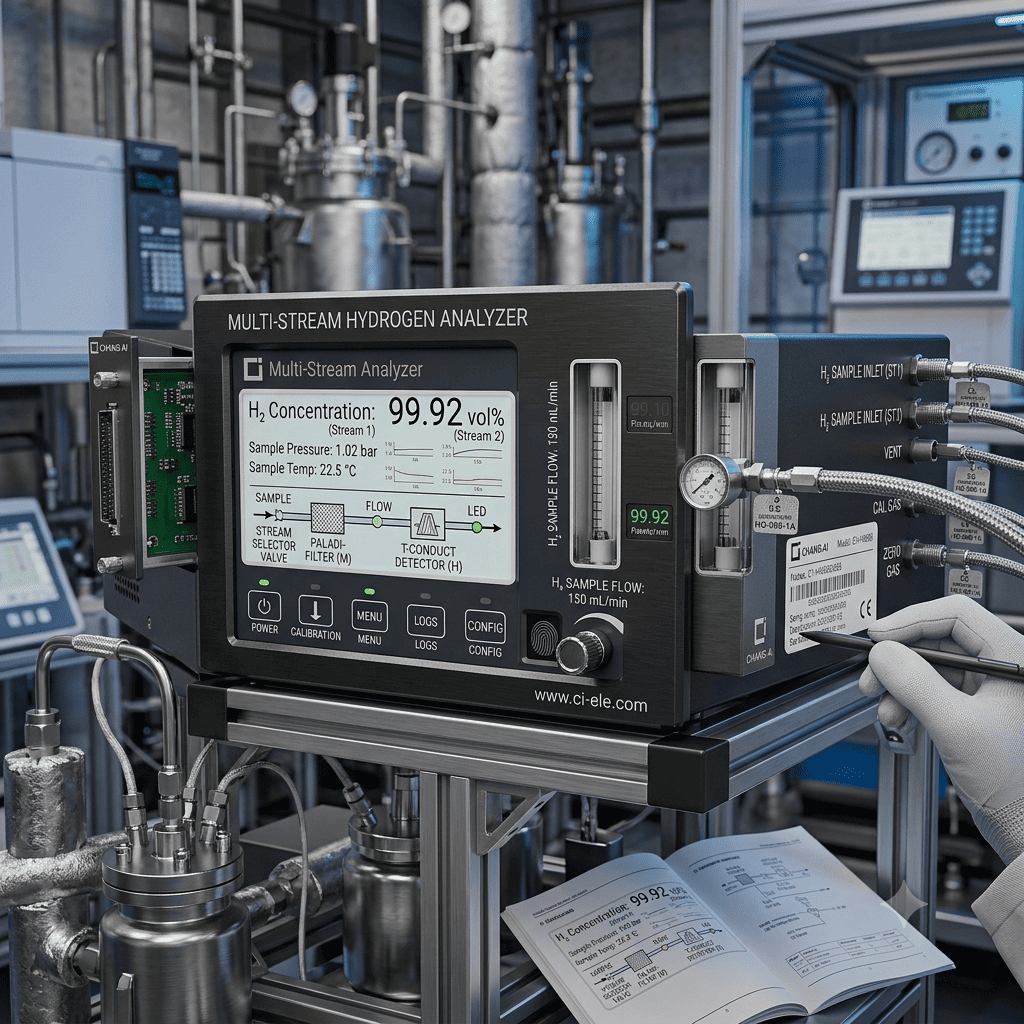
Many hydrogen accidents have been caused by avoidable mistakes made during operation rather than due to equipment failure. Early identification of these challenges is key to increasing the safety, reliability and efficiency of operations in hydrogen plants.
- Ignores Small Changes: Small changes in hydrogen levels may be inconsequential, but they are also an indication that there are underlying issues with the equipment.
- Delays in Maintenance: Delaying maintenance for seals, valves, or ageing equipment will increase the likelihood of leakage and malfunctioning.
- Poor Maintenance of Monitoring Equipment: For monitoring hydrogen levels accurately, these devices must undergo calibration.
- Uses Monitoring for Regulatory Purposes Alone: Focusing on monitoring for regulatory purposes alone is unwise, as ongoing information could be used for maintenance purposes.
Avoiding these common mistakes helps organisations reduce risk and build a stronger hydrogen safety strategy.
Risk Indicators Every Plant Should Monitor
Effective hydrogen safety involves more than detecting leaks. Monitoring key performance indicators helps identify potential issues early and supports safer, more reliable operations.
Hydrogen Concentration
Hydrogen concentration is the primary indicator that needs to be monitored. Any unexplained variation can mean leaks or problems with processes and should be addressed right away.
Gas Purity
It is very important to keep the hydrogen highly pure for uses like cooling of the generator. Low-quality gas can make the process inefficient and cause equipment to break down.
Pressure and Temperature
Variations in the pressure and temperature can mean some problems with the process or malfunctioning equipment. They should be monitored together with hydrogen concentration levels.
Performance of Equipment
Monitoring efficiency and energy consumption of the equipment along with its maintenance helps to understand the condition of assets better.
Hydrogen Safety in the Era of Smart Manufacturing
Smart manufacturing relies on real-time data to improve safety, efficiency and reliability. A hydrogen analyzer plays an important role by providing continuous insights into plant conditions.
Real-Time Visibility
Modern-day monitoring systems give live data for hydrogen, and this will help to act promptly on changes in conditions.
- Detect abnormal levels of hydrogen in real time.
- Identify trends before alarms set off.
- Take timely action on possible threats.
Real-time visibility improves operational confidence and reduces safety risks.
Supporting Predictive Maintenance
Through hydrogen detection, maintenance can be alerted to problems with equipment before a problem occurs. This ensures that maintenance is condition-based and not time-based.
- Detect problems with equipment early.
- Minimise unplanned maintenance.
- Increase life span of equipment.
Predictive maintenance increases efficiency without increasing maintenance cost.
Better Decisions Through Connected Systems
Hydrogen monitoring works even better when combined with other plant systems. This integration will give operators a more complete picture of equipment status.
- Integrate hydrogen with temperature and pressure information.
- Enhance your ability to diagnose equipment failures.
- Speed up the decision-making process.
Connected monitoring helps create safer, smarter and more efficient industrial operations.
Industrial Risk Assessment Checklist Before Expanding Hydrogen Operations
Before expanding any hydrogen plant, here is a list of items to consider:
- Have all hydrogen areas been surveyed for leaks?
- Have all the necessary sensors been placed in all critical areas, and not only the apparent ones?
- Is there a scheduled calibration program for all your sensors?
- Is your ventilation designed to accommodate the current volume of hydrogen?
- Have alarm limits been set correctly for all areas?
- Have your staff been retrained for new equipment or procedures?
- Is the monitoring data included in your PSM documentation?
Doing this before expanding your plant will help you identify possible weaknesses when they are still inexpensive to address. This way you do not have to make changes following an accident.
Conclusion
The importance of hydrogen in power generation, manufacturing, oil refining, and other clean energy initiatives cannot be overstated. The more hydrogen becomes widespread, the higher the demand for hydrogen monitoring and risk management becomes.
The hydrogen analyzer allows companies to shift from reactive maintenance to proactive safety and, thus, improve their operations. It identifies potential issues, preserves the company’s valuable equipment, and facilitates good decision-making, which helps to avoid any safety hazards and downtime. More importantly, the hydrogen monitoring provides companies with greater equipment reliability and sustainability.