Industries need the right gas analyzer that measures the right amount of pressure to keep the operations safe, smooth, and worthwhile. From the power stations to the process plants industries, all can require a trustworthy monitoring system that can help their teams to identify errors quickly.
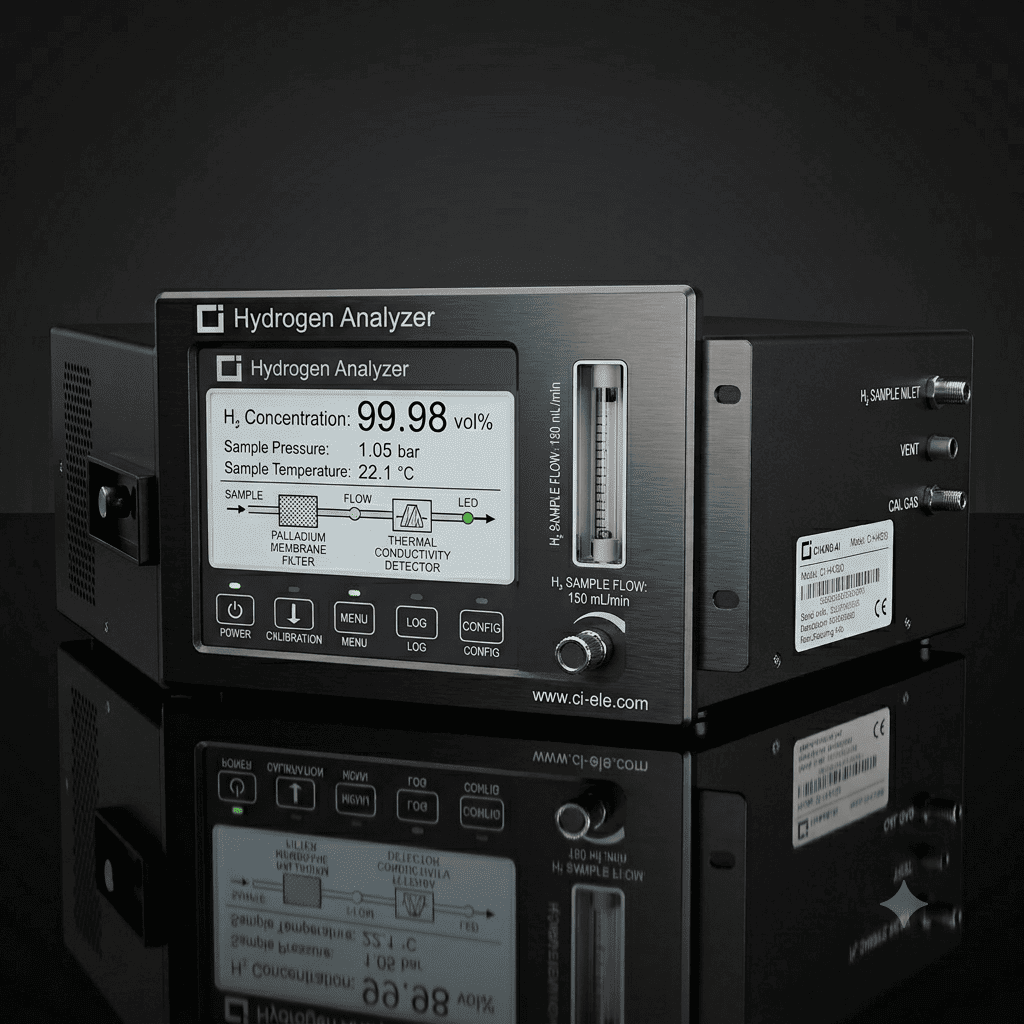
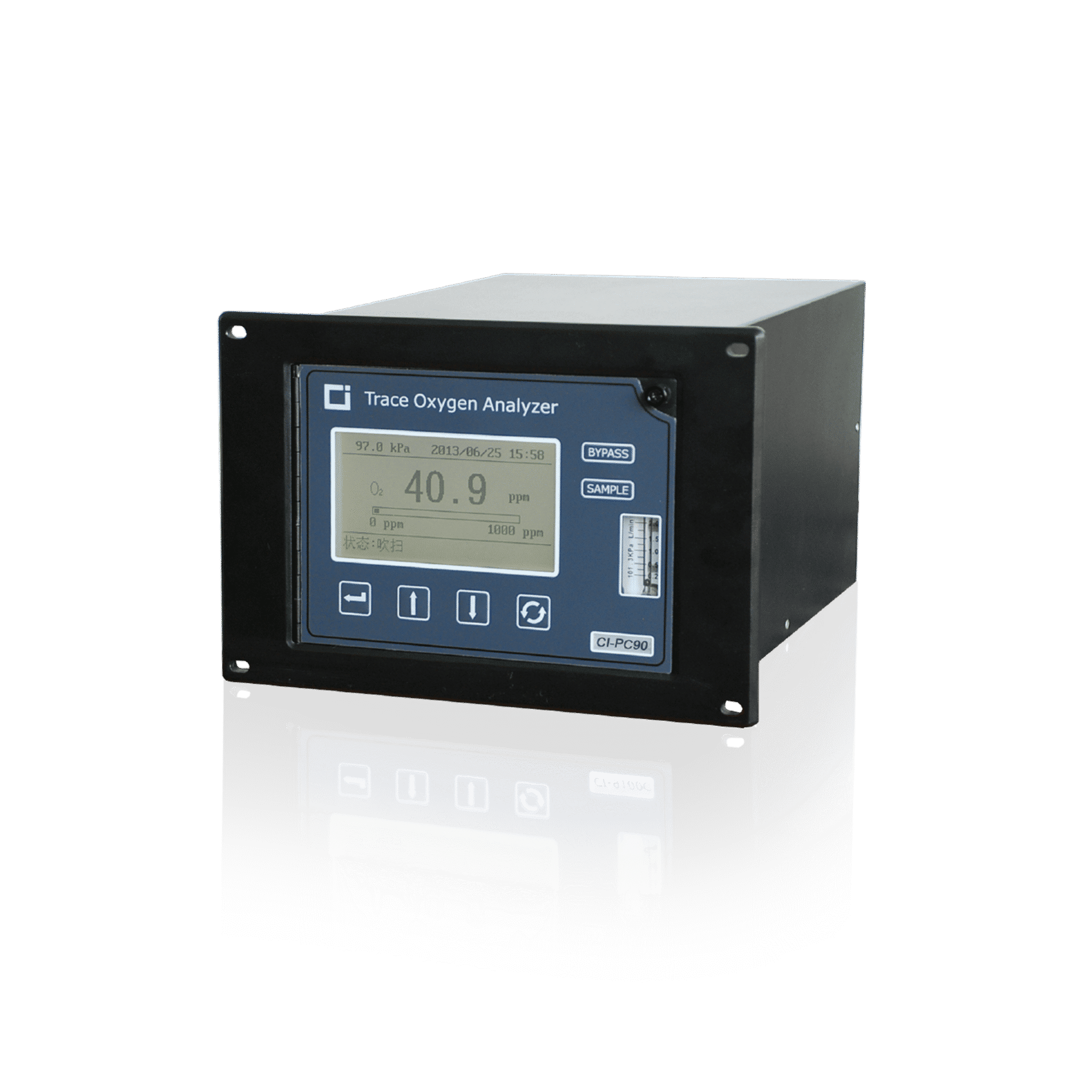
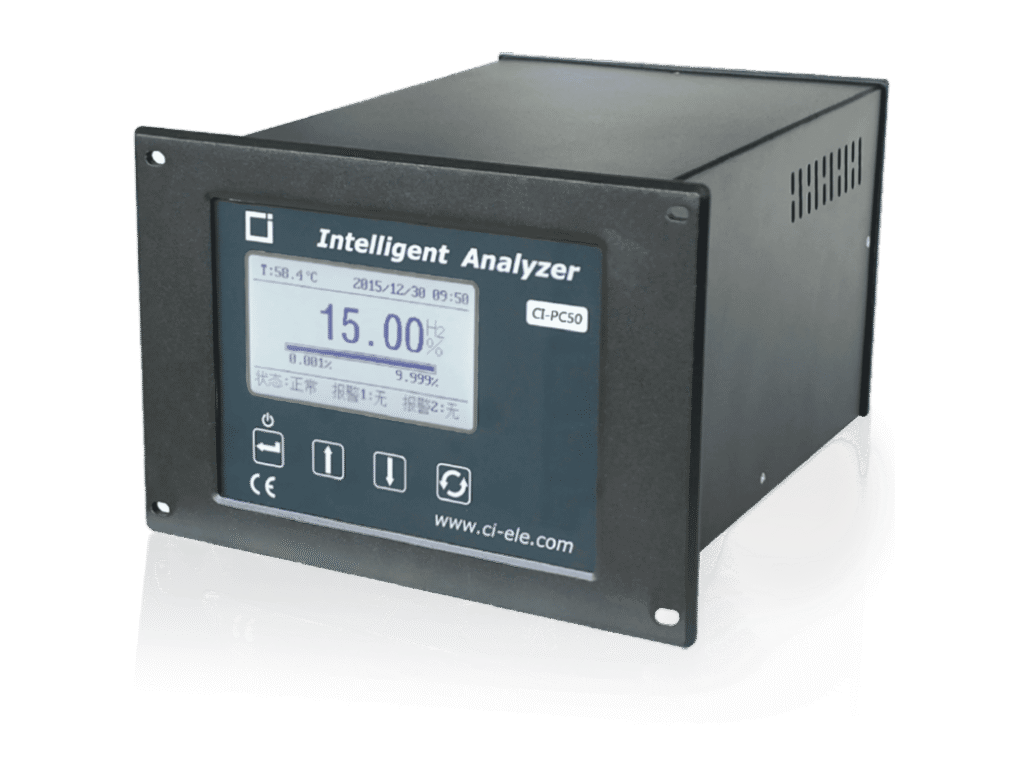
A thermal conductivity analyzer is the right equipment to follow the levels of gases. It also identifies the changes by detecting differences in how gases carry heat. Every gas has different molecules to generate heat. That’s why this technology delivers clear and dependable results across many industrial processes.
Industries prefer those analyzers because they stand in tough conditions. They run for years by supporting steady performance. It helps the team to stop the problem before it gets too high. Malaysia’s industrial sector is continuously growing, so they look for trusted gas analysis solutions more than ever.
In this guide, you will understand what it is, explore the types of it, and learn about the key benefits and so on.
What is a Thermal Conductivity Analyzer
A thermal conductivity analyzer is an instrument that measures gas concentration by examining how a gas transfers heat. Each gas possesses a unique thermal conductivity value. That’s why, through these values, an analyst can identify changes in gas composition by comparing heat transfer characteristics.
It can commonly measure gases such as hydrogen, helium, carbon dioxide, methane, and nitrogen. Since these gases exhibit distinct thermal properties, the analyzer can deliver accurate measurements in many industrial environments.
Common functions include:
- Gas purity measurement
- Process control monitoring
- Leak detection
- Continuous gas composition analysis
- Quality assurance support
These technologies suit applications that require long-term stability and dependable performance.
How a Thermal Conductivity Gas Analyzer Works
The analyzer operates on a straightforward scientific principle. It measures how effectively a gas carries heat away from a heated sensing element.
First, the sensor heats to a controlled temperature. Next, the surrounding gas absorbs and transfers heat from the sensor. Because each gas conducts heat differently, the sensor experiences varying cooling effects.
The analyzer compares these changes with a reference gas. So, it calculates the concentration of the target gas within the sample.
The process involves:
- A sensing chamber
- A reference chamber
- Heated sensing elements
- Signal processing electronics
- Display and output systems
Operators receive continuous and accurate gas concentration data.
Key Features of Modern Thermal Conductivity Analyzers
Now, industrial gas analyzer comes with multiple kinds of features that focus on improving reliability and performance.
Key features often include:
- Fast response times
- Continuous online monitoring
- Wide measurement ranges
- Durable industrial construction
- Digital communication outputs
- Low maintenance requirements
- High measurement stability
Many models support integration with plant automation systems. This capability allows operators to track process conditions from central control rooms. These systems also include advanced diagnostics. That’s why maintenance teams can identify issues before they affect production.
Types of Thermal Conductivity Analyzers
Industries use different analyzer designs depending on operational requirements.
Online Thermal Conductivity Analyzer
An online analyzer remains connected directly to the process stream. It delivers continuous measurements throughout plant operation. Many facilities prefer this option because it provides real-time information. So, the operators can respond quickly to process changes.
Benefits include:
- Continuous monitoring
- Immediate process feedback
- Enhanced safety control
- Improved product consistency
- Reduced manual sampling
Online systems often serve large industrial facilities where uninterrupted monitoring remains essential.
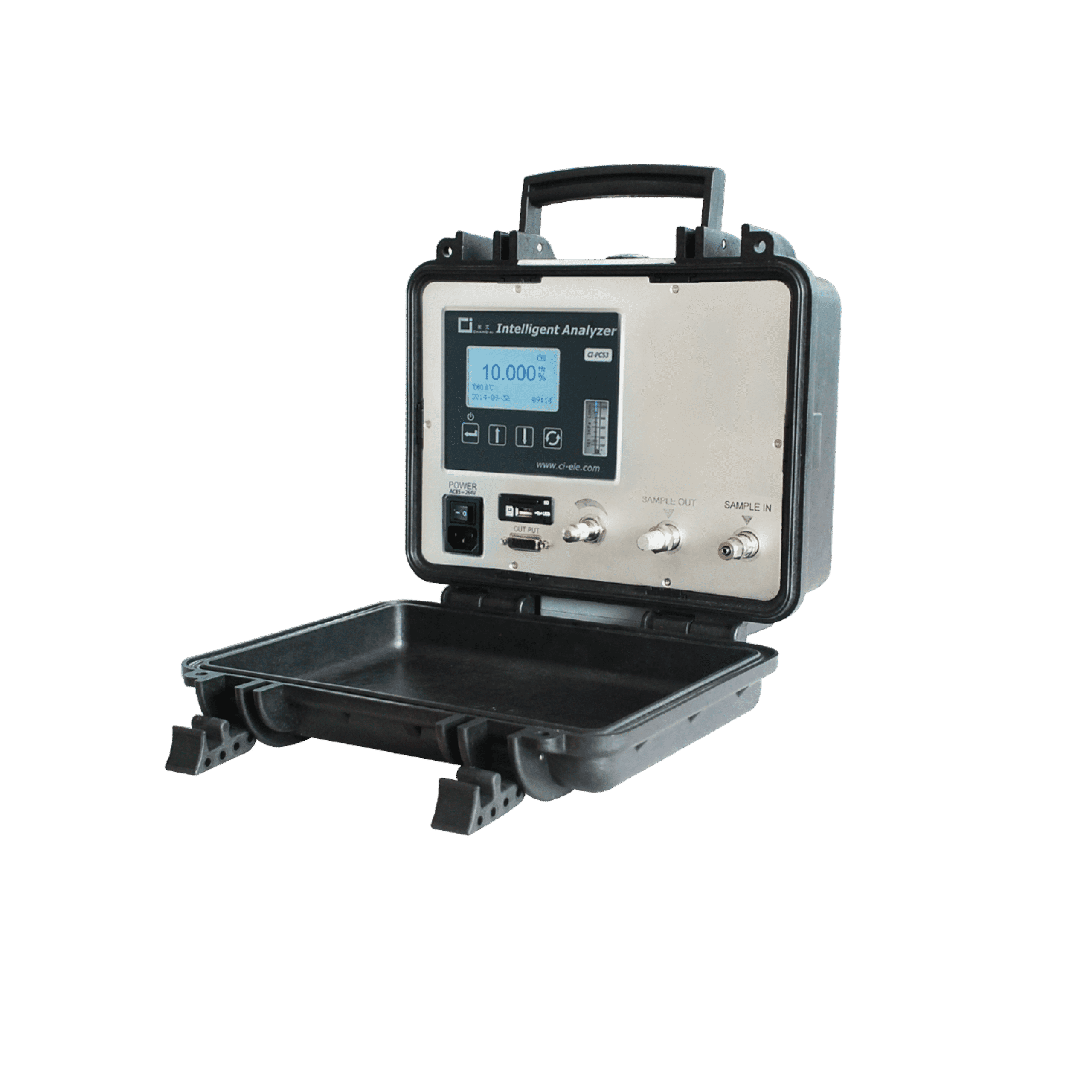
Portable Thermal Conductivity Analyzer
This one can provide flexibility to field inspections along with temporary testing tasks. Its team can commonly use these portable units during plant surveys, equipment checks, and troubleshooting activities. These devices allow technicians to gather readings from multiple locations with ease.
Key advantages include:
- Easy transportation
- Quick deployment
- Flexible operation
- Field testing capability
- Lower installation requirements
It can support both routine inspections and emergency investigations.
Advantages of Thermal Conductivity Gas Analyzers
Many industries go with these thermal analyzers because it is easy to operate or give accurate results.
Major advantages include:
- Strong measurement stability
- Long sensor life
- Minimal maintenance needs
- Reliable operation in harsh environments
- Continuous monitoring capability
- Broad industrial suitability
These technologies perform well for gases with large thermal conductivity differences. These features improve measurement accuracy in many applications, that also involve durability. Since the measurement principle remains straightforward, many systems operate effectively for extended periods.
Limitations You Should Know
Although thermal conductivity analysis offers many strengths, users should understand its limitations. The technology performs best when gases exhibit significant differences in thermal conductivity. This accuracy may decrease when gases possess similar thermal properties.
Some limitations include:
- Reduced sensitivity for certain gas mixtures
- Dependence on stable operating conditions
- Potential influence from temperature variations
- Requirement for proper calibration
These careful installations and routine maintenance can help overcome many of these challenges. Understanding process requirements remains essential before selecting any gas analysis solution.
Industrial Applications in Malaysia
Malaysia’s industrial sector continues to expand across energy, manufacturing, and environmental management. The demand for reliable gas monitoring equipment remains strong.
Power Generation
Power plants use gas analysis systems to monitor hydrogen purity in generator cooling systems. Accurate measurements help operators maintain equipment performance and prevent operational issues. That’s why continuous monitoring supports safer plant operation.
These systems assist with:
- Generator protection
- Efficiency improvement
- Process optimisation
- Safety management
Petrochemical Plants
Petrochemical facilities handle complex gas streams throughout production processes. Gas monitoring helps operators maintain product quality while controlling process conditions. These accurate measurements support regulatory compliance and operational efficiency.
Applications often include:
- Process control
- Gas purity verification
- Leak monitoring
- Product quality assurance
Industrial Gas Production
Industrial gas manufacturers require precise gas composition measurements during production, along with storage activities. These measurements ensure products meet customer specifications. So, gas analysis plays a key role in quality control programmes.
Typical uses include:
- Hydrogen production
- Nitrogen generation
- Helium processing
- Gas blending operations
Metallurgy & Heat Treatment
Such facilities use controlled atmospheres during heat treatment processes. Gas monitoring helps maintain furnace conditions and supports consistent material properties. This can help manufacturers to achieve improved product quality.
Common applications include:
- Furnace atmosphere control
- Protective gas monitoring
- Heat treatment optimisation
- Process verification
Environmental Monitoring
Environmental protection efforts require accurate monitoring of industrial emissions and gas streams. Gas analysis systems help facilities track environmental performance that supports compliance objectives.
Important applications include:
- Emission monitoring
- Waste gas analysis
- Environmental reporting
- Process efficiency evaluation
The environmental standards continue to evolve, monitoring systems play an increasingly important role.
Hydrogen & Clean Energy
Such projects are continuously getting high demand in the energy sector of Malaysia. Gas monitoring supports hydrogen production, storage, transport, along with utilisation processes. In that accurate measurement helps maintain safety and system efficiency.
Key applications include:
- Hydrogen purity measurement
- Fuel cell support
- Energy storage systems
- Green hydrogen production
Even gas analysis technology remains a valuable component of clean energy development.
Key Benefits for Industrial Operations
Effective gas monitoring delivers benefits across many aspects of plant performance.
Important operational advantages include:
- Improved process control
- Better product quality
- Enhanced workplace safety
- Reduced operational risk
- Lower maintenance costs
- Increased production efficiency
Continuous measurement enables faster decision-making. Operators can identify process changes before they develop into larger problems. These early steps help faculty to handle the situation before it trunks to worse, which also protects valuable equipment.
How to Choose the Right Thermal Conductivity Analyzer
Picking up the right thermal conductivity analyzer demands extra attention, with proper examining to its requirements. Such multiple factors can help you to make a better decision.
Important selection criteria include:
- Target gas composition
- Measurement range
- Required accuracy
- Operating environment
- Installation location
- Maintenance requirements
- Communication capabilities
Even this helps users save on future expansion needs. Such a flexible system can easily adapt to changes during operations. These consulting professionals can also simplify the selection process and improve long-term performance.
Why Choose Chang Ai for Thermal Conductivity Analyzers
They help industries to achieve accurate and reliable gas monitoring across a wide range of applications. This company provides thermal conductivity analyzers that support process control, product quality, and operational safety.
With their strong industry experience or application-focused solutions, Chang Ai helps businesses maintain stable performance in demanding industrial environments. Their commitment to quality and technical support makes them a trusted partner for gas analysis needs.
Key Reasons to Choose Chang Ai
- Accurate gas measurement for industries
- Durable design for harsh environments
- Strong technical support and expertise
- Custom solutions for diverse applications
Conclusion
Accurate gas monitoring helps industries run safely, efficiently, and with greater confidence. Companies use reliable measurement systems to guide process control or protect product quality that meet industry requirements. A thermal conductivity analyzer gives industries a trusted way to track gas composition in demanding environments.
Its simple design, steady performance, or broad industrial use make it a valuable tool across many sectors. It can support growing fields such as hydrogen energy, industrial gas production, and environmental monitoring. When companies choose the right analyzer and use it correctly, they strengthen performance and reduce operational risks. As industrial needs continue to change, dependable gas analysis systems will help businesses move forward to achieve long-term success.