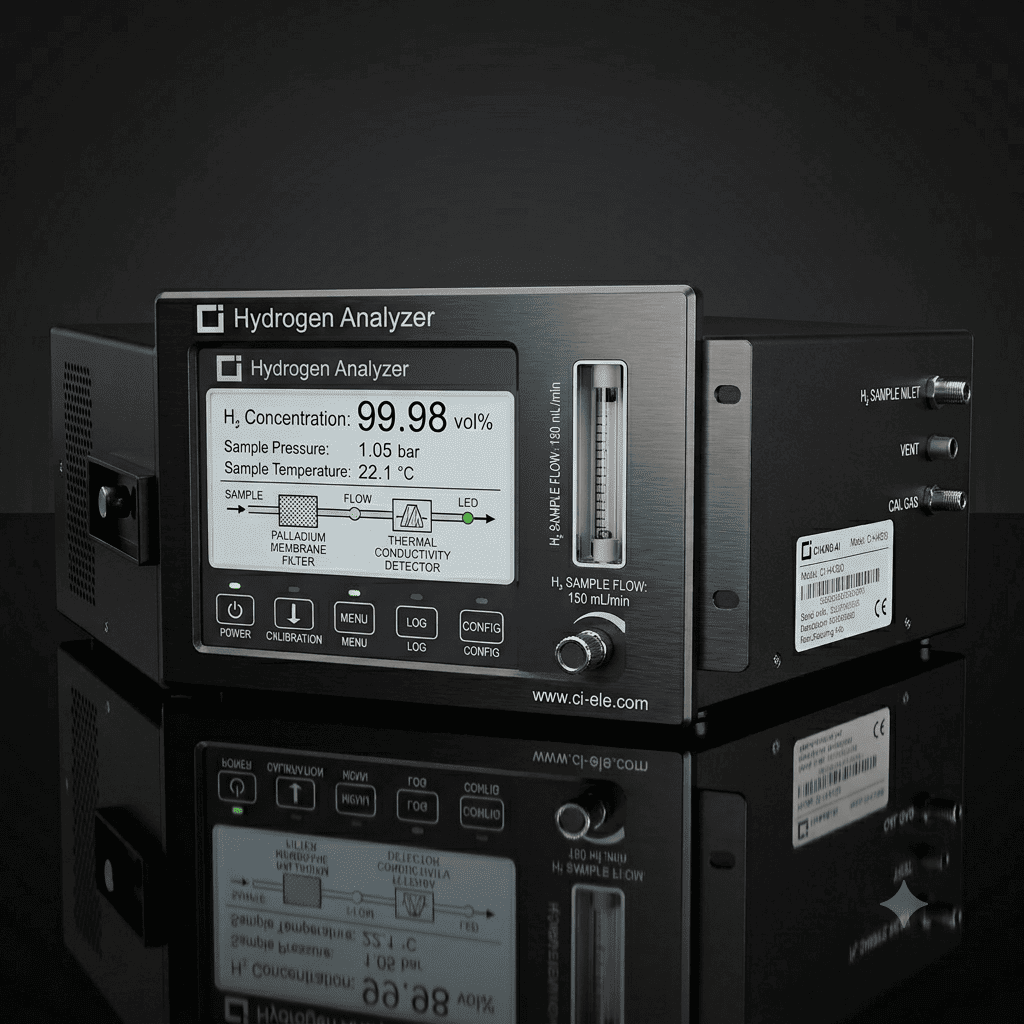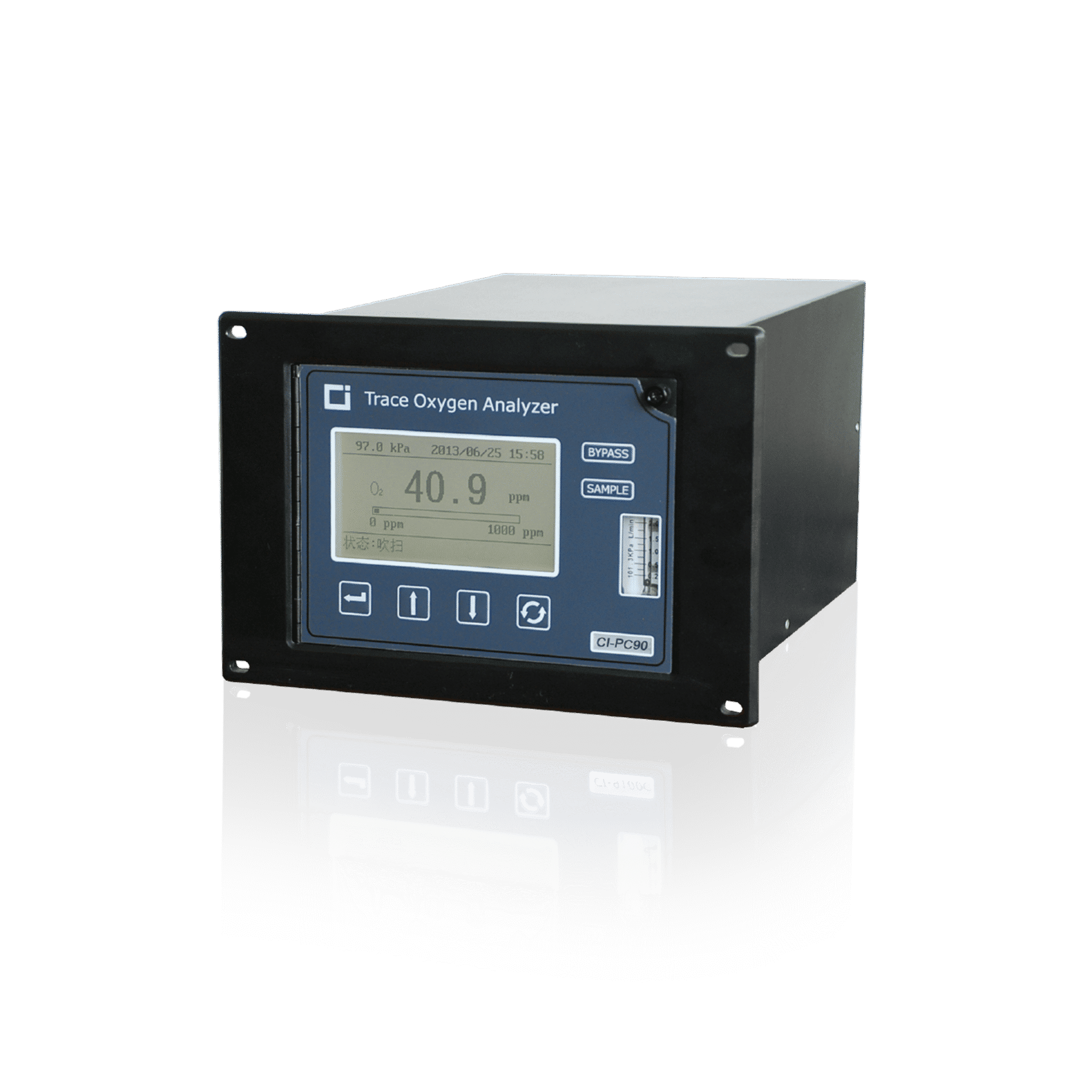
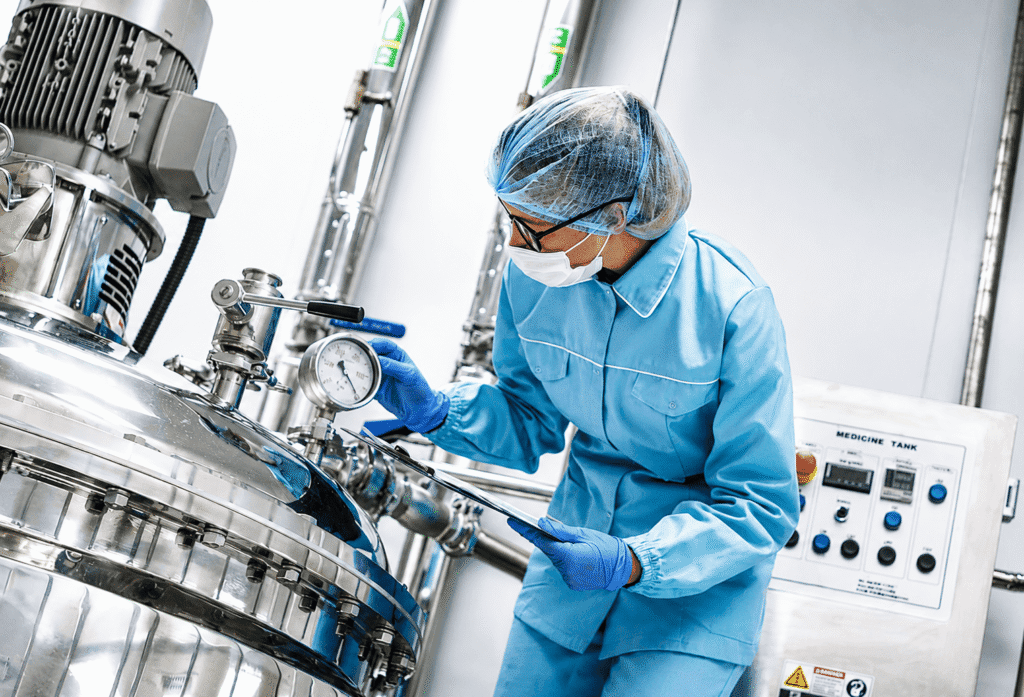
Carbon dioxide plays a vital role in many industries. Yet too much or too little CO₂ can lead to poor product quality, safety risks, higher costs, and even equipment damage. That is why accurate gas monitoring has become a key part of modern industrial operations.
A carbon dioxide analyzer gives businesses reliable data so they can control processes, protect workers, and meet industry standards. Whether you work in manufacturing, food processing, healthcare, energy, or environmental monitoring, choosing the right analyzer makes a real difference.
This guide explains how these analyzers work, the technologies behind them, where they are used, and the features that matter when selecting one for your business.
What Is a Carbon Dioxide Analyzer?
A carbon dioxide analyzer is a measuring instrument which is used to measure the concentration of CO₂ in air or in process gases. It gives accurate readings which enable companies to monitor the CO₂ level either in real time or periodically. The measurements make industrial operations safe and effective.
As opposed to a simple gas detector, it gives accurate measurement of the CO₂ concentration rather than signalling the alarm. It enables its application in process control, quality assurance, emissions monitoring and workplace safety.
Most industrial instruments give measurement in terms of ppm or % of CO₂. Many modern instruments are capable of transmitting measurement information to PLC or SCADA systems.
Why Carbon Dioxide Monitoring Is Important
Carbon dioxide is a naturally occurring gas, but high levels can become dangerous in industrial settings. Regular monitoring helps protect people, improve processes, and meet safety requirements.
Safety of Workers
High amounts of CO₂ may result in decreased oxygen levels, thus posing potential health risks. Constant monitoring helps to avoid any risks and protect workers.
Regulatory Compliance
A variety of industries need to monitor CO₂ levels in order to comply with the rules. Moreover, accurate readings are necessary for inspection purposes.
Quality of Products
Some industries, such as the food industry, require specific CO₂ levels to ensure consistent results. Thus, monitoring plays an important role in maintaining quality.
Emissions Monitoring
Tracking carbon dioxide emissions supports environmental goals and regulatory compliance. It also helps businesses improve energy efficiency and reduce their carbon footprint.
How Does a Carbon Dioxide Analyzer Work?
A carbon dioxide analyzer measures the amount of CO₂ in a gas sample using advanced sensing technology. While the sensing method may vary, most analyzers follow the same basic process.
Step 1: Gas Sampling
The analyzer draws a sample of the gas from the area to be measured. This can be done either continuously or at certain intervals.
- Ambient air
- Industrial pipelines
- Process equipment or exhaust systems
The sample quality plays a critical role in determining the measurement accuracy.
Step 2: Gas Measurement
The detector analyses the sample and measures the level of carbon dioxide. High-quality detectors provide reliable and steady measurement results.
- Detects CO₂ concentration
- Remove (X)
- Exact measurement
This enables operators to track changes in gas levels confidently.
Step 3: Data Processing
The analysis of the data collected by the sensor is performed by the analyzer. There are many systems that not only analyze but also store the collected data.
- Real-time reading is displayed.
- Data transmission to PLC or SCADA system
- Alarm indication in case of exceedance of limits.
Operators can quickly identify changes and take corrective action.
Step 4: Continuous Monitoring
The online analyzers continuously perform the same measurements every day. Thus, the user is aware of the process state at any moment.
- Monitors CO₂ concentrations continuously
- Discovers process changes early
- Prevents downtime and production risks
Continuous measurements are very useful for maintaining safe processes.
Carbon Dioxide Analyzer Technologies
It uses different sensing technologies depending on the application. Each method offers unique benefits in terms of accuracy, speed, and reliability.
Non-Dispersive Infrared (NDIR)
The NDIR technique is the most prevalent approach to determine the concentration of CO2. The technique detects the amount of infrared light absorbed by carbon dioxide and thus is quite precise and reliable.
Chemical Absorption Technology
This method measures CO₂ through chemical reactions. It is mainly used in laboratories and specialised applications where high accuracy is required.
Photoacoustic Spectroscopy
Photoacoustic spectroscopy is a technique that measures the sound waves produced due to absorption of light by CO2 molecules. It is a popular technique used in research applications that require high sensitivity.
Electrochemical Sensors
Electrochemical sensors are used in multi-gas detection systems. Nonetheless, for CO2 detection in industries, NDIR is widely used for industrial CO₂ measurement.
Carbon Dioxide Analyzer vs Carbon Dioxide Detector
| Feature | Carbon Dioxide Analyzer | Carbon Dioxide Detector |
| Purpose | Provides quantitative CO₂ concentration measurement. | Detects when CO₂ reaches a preset level. |
| Output | Provides continuous numerical readings. | Triggers an audible or visual alarm. |
| Accuracy | High accuracy for process monitoring and control. | Suitable for basic safety monitoring. |
| Application | Used for industrial processes, quality control, and emissions monitoring. | Used to protect workers in enclosed or hazardous areas. |
| Data Logging | Supports data storage, trend analysis, and remote monitoring. | Usually has limited or no data logging. |
| Integration | Can connect to PLC, SCADA, or other control systems. | Typically operates as a standalone safety device. |
| Best For | Continuous monitoring and process optimisation. | Early warning of unsafe CO₂ levels. |
Industries That Use Carbon Dioxide Analyzers
They are used across many industries to measure CO₂ levels accurately. They help improve safety, maintain product quality, and optimise industrial processes.
Food & Beverages
In the food & beverages industry, CO₂ is used for carbonated drinks and food packaging. An accurate CO₂ measurement helps in ensuring quality, shelf-life, and reduction of waste.
Pharmaceutical Manufacturing
Pharmaceuticals require CO₂ measurements to ensure controlled environments. This measurement supports fermentation and cleanroom processes.
Chemical Processing
CO₂ measurements are used in chemical processes for controlling reaction rates and process efficiency. It also assists in identifying leaks in the system.
Power Plants and Energy
Power plants keep track of their carbon dioxide emissions to ensure optimal efficiency of the combustion process and for environmental reporting purposes. Reliable measurements can help cut back on fuel use.
Oil and Gas
In the oil and gas industry, carbon dioxide analyzers serve to monitor the production process and pipeline operations. This ensures proper control and protection of equipment.
Greenhouses
Commercial greenhouses measure CO₂ to create an optimal environment for growing their crops. Such measurement is important for plant health and productivity.
Environmental Monitoring
Science research institutions and industries measure atmospheric CO₂ to assess emissions and environmental quality. The gathered data serves environmental studies.
Benefits of Installing a Carbon Dioxide Analyzer
A carbon dioxide analyzer goes beyond the mere analysis of gas concentration. It helps organisations create safer environments, be more efficient, and operate in a consistent manner.
- Increased Safety of the Working Environment: Real-time monitoring warns operators of increasing CO₂ concentrations, minimising health hazards for employees.
- Product Consistency: Precise measuring of CO₂ concentration ensures that production conditions remain constant, providing consistency in product quality.
- Decreased Operating Costs: Detection of problems in the process allows avoiding waste, improving energy consumption, and reducing operating costs.
- Prevention of Downtime: Continuous monitoring helps detect potential problems and avoid equipment malfunction and production delays.
- Simplified Regulatory Compliance: Automatic data logging enables organisations to follow safety and environmental regulations and facilitates audits.
Key Features to Consider Before Buying
Choosing the right analyzer ensures accurate measurements and reliable long-term performance. Before making a decision, consider the features that best match your application.
Measurement Range
Select an analyzer with a measurement range that suits your process. The correct measurement range enhances measurement precision, which produces dependable output data.
Accuracy
High accuracy is essential for process control and regulatory compliance. Look for good repeatability, resolution, and long-term stability.
Response Time
A fast response allows operators to react quickly to changing CO₂ levels. This is especially important for continuous processes and safety monitoring.
Display and User Interface
A clear display makes the analyzer easier to operate and monitor. The system becomes more user-friendly through its combination of touchscreens with alarm systems and instant data display functions.
Industrial Communication
Choose an analyzer that supports communication protocols such as Modbus, RS485, or Ethernet. The system enables straightforward connection between PLC and SCADA systems.
Environmental Protection
Industrial environments can be harsh, so the analyzer should withstand dust, moisture, vibration, and high temperatures. A durable design improves reliability and extends equipment life.
Portable vs Online Carbon Dioxide Analyzer
| Feature | Portable Carbon Dioxide Analyzer | Online Carbon Dioxide Analyzer |
| Installation | Portable and used when needed | Permanently installed |
| Monitoring | Spot checks and temporary measurements | Continuous, real-time monitoring |
| Power Source | Battery powered | Connected to a continuous power supply |
| Best For | Field inspections, maintenance, and troubleshooting | Process control, safety, and emissions monitoring |
| Data Logging | Limited or manual data storage | Automatic data logging and reporting |
| Remote Access | Usually not available | Supports remote monitoring and control |
| Advantages | Lightweight, easy to carry, and flexible | Real-time alarms, better process control, and higher efficiency |
| Ideal Users | Service engineers, maintenance teams, and safety officers | Manufacturing plants, chemical facilities, power plants, and other industrial sites |
Installation Best Practices
Correct installation is essential for accurate and reliable CO₂ measurement. Following a few best practices helps the analyzer perform efficiently from the start.
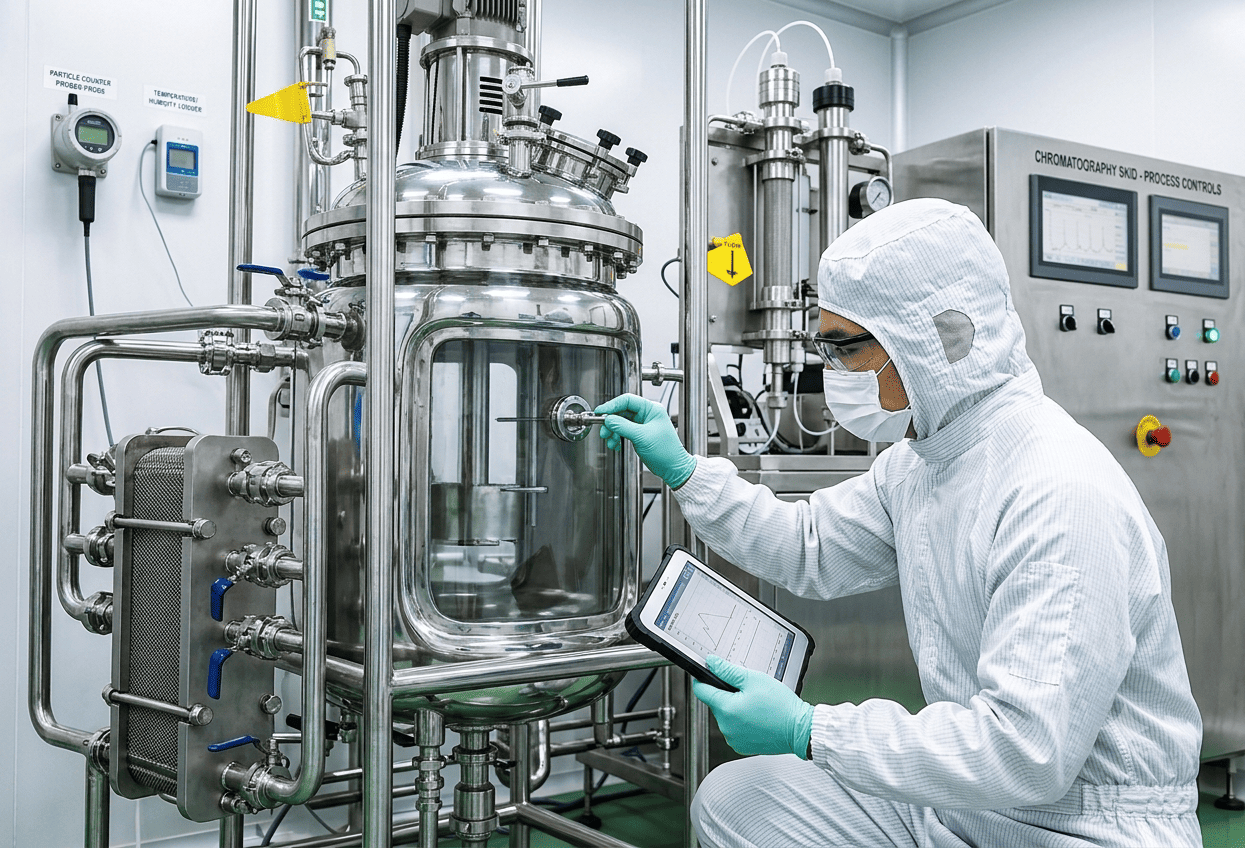
Select the Right Sampling Point
Fix the analyzer at a spot where it will be able to take a representative sample of the gas. It should not be fixed in places with irregular flow or high levels of contamination.
Protect the Sampling System
Apply filters or moisture traps in order to protect the analyzer from dust, oil, and moisture. This increases the accuracy of the results and increases the lifespan of the analyzer.
Ensure Proper Ventilation
Ventilate the analyzer adequately, especially in cases where the analyzer is placed indoors. This keeps the operating conditions of the analyzer steady and makes maintenance easy.
Follow Manufacturer Guidelines
Place the analyzer in accordance with guidelines provided by the manufacturer in regard to mounting, wiring, pressure, and flow rate. This prevents faults in the analyzer.
Test Before Full Operation
After installation, verify the analyzer using a known gas concentration. This confirms the system is working correctly before it is put into regular use.
Calibration and Preventive Maintenance
Regular calibration and maintenance keep an analyzer accurate and reliable. They also help extend the equipment’s lifespan, reduce downtime, and ensure consistent performance.
- Calibrate the analyzer regularly using a certified reference gas to maintain accurate CO₂ readings.
- Inspect gas filters and sample tubing for dust, moisture, leaks, or blockages.
- Check electrical connections, pumps, and other components to ensure smooth operation.
- Test the display, alarms, and communication functions to confirm they are working properly.
- Follow the manufacturer’s recommended maintenance schedule to prevent unexpected faults.
Routine maintenance helps improve measurement accuracy, supports reliable operation, and extends the life of the analyzer.
Common Problems and Troubleshooting
Even a reliable carbon dioxide analyzer can develop issues over time. Identifying the problem early helps reduce downtime and maintain accurate performance.
Unstable Readings
Unstable readings can be attributed to gas leaks, clogged filters, moisture or wrong calibration of the instrument. Start troubleshooting by inspecting the sampling system for possible causes of unstable readings.
Slow Response Time
Long response time means that there is a restriction in the flow of gases or the filters are dirty. Clean and replace the filters and check the sampling pump.
Incorrect Measurement
Consistent high or low measurements could be caused by sensor drift, ageing, or faulty installation. Calibration of the analyzer using reference gas will help correct inaccurate measurements.
Communication Faults
There might be errors in communication between the analyzer and a PLC or SCADA system. Inspect the cable connections and the network configuration of the analyzers.
Industrial Standards and Certifications
The industrial analyzers must meet recognised standards in order to operate safely and reliably. It will help companies comply with regulations and maintain high quality of their products.
- ISO 9001: Makes sure that the company uses recognised quality management procedures.
- IEC Standards: Address the issues of electrical safety and performance standards for industrial equipment.
- ATEX Certification: Should be used for the analyzers that will be operated in explosive or hazardous areas.
- CE Marking: Means that the product conforms to the requirements of the EU regarding safety, health and environmental issues.
- Regulations of the Country of Usage: Make sure that the analyzer meets the safety and compliance standards in the area of operation.
Using equipment that meets recognised standards improves reliability, supports compliance, and gives greater confidence in measurement accuracy.
How to Choose the Right Carbon Dioxide Analyzer
Choosing the right analyzer is key to achieving accurate and reliable CO₂ monitoring. The best option depends on your application, operating conditions, and long-term business needs.
Measurement Range
Select an analyzer with a measurement range suitable for your processes. Selecting an appropriate measurement range helps ensure reliable and suitable measurement performance.
Monitoring Requirements
Think about the type of monitoring that you require – online or intermittent. The online analyzer is suitable for 24/7 processes, whereas the portable analyzer suits intermittent sampling.
Operating Environment
Pick an analyzer that is compatible with your plant’s operating environment, which includes factors such as dust, humidity, vibrations, and fluctuations in temperature. The robust analyzer will offer better reliability in the long run.
Systems Integration
Find an analyzer that has the capability for communication through standardised protocols like Modbus and Ethernet. This will make the integration of analyzer into the system easy.
After-Sales Support
Select a company that provides technical support, calibration and replacement parts to their customers. Good after-sales service makes sure that the analyzer works efficiently.
Why Businesses in Malaysia Choose Chang Ai Technology
Malaysian companies need reliable gas analysis systems that facilitate safety and efficiency in their operations and production.
Chang Ai Technology provides industrial gas analyzers which have been tailored to meet various needs in different industries such as manufacturing, food processing, environmental monitoring, laboratories, energy, and chemical processing.
Chang Ai Technology is preferred by many customers due to its expertise in:
- Industrial gas analysis solutions
- Efficient monitoring equipment
- Product technical knowledge
- Customer support
- Installation quality
- Maintenance services
When selecting equipment according to the application needed, the efficiency of a company can be improved, and at the same time, workplace safety can be assured.
Conclusion
A carbon dioxide analyzer has become a critical instrument in today’s industry. The accuracy of measurements makes work sites safer, increases product quality, improves process control, and increases efficiency.
Regardless of the field – from food processing and pharmaceutics to power plants, manufacturing, and environmental monitoring – the ability to measure carbon dioxide accurately allows companies to make informed decisions on a daily basis.
Having knowledge about technologies, choosing appropriate options, and maintaining analyzers appropriately are key factors in achieving high performance. With a suitable analyzer, one can increase efficiency and decrease operational risks.