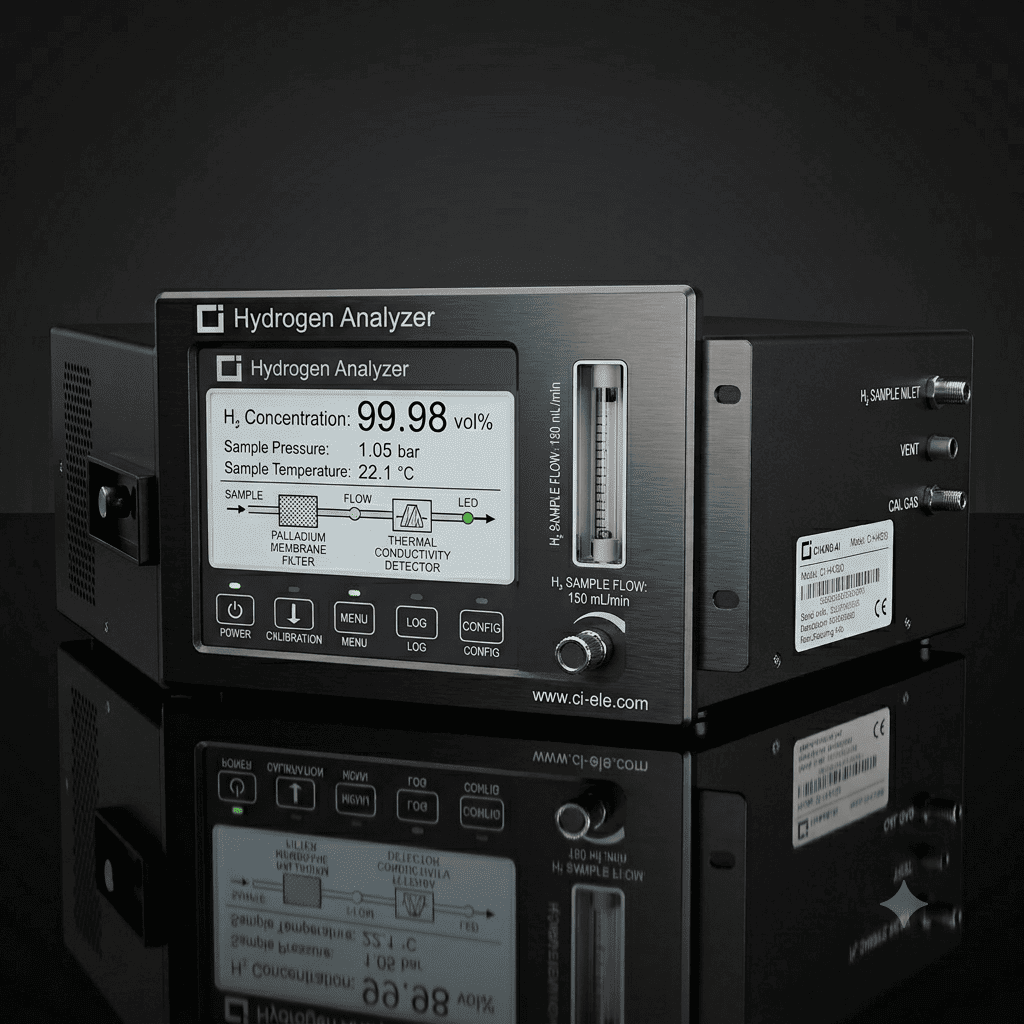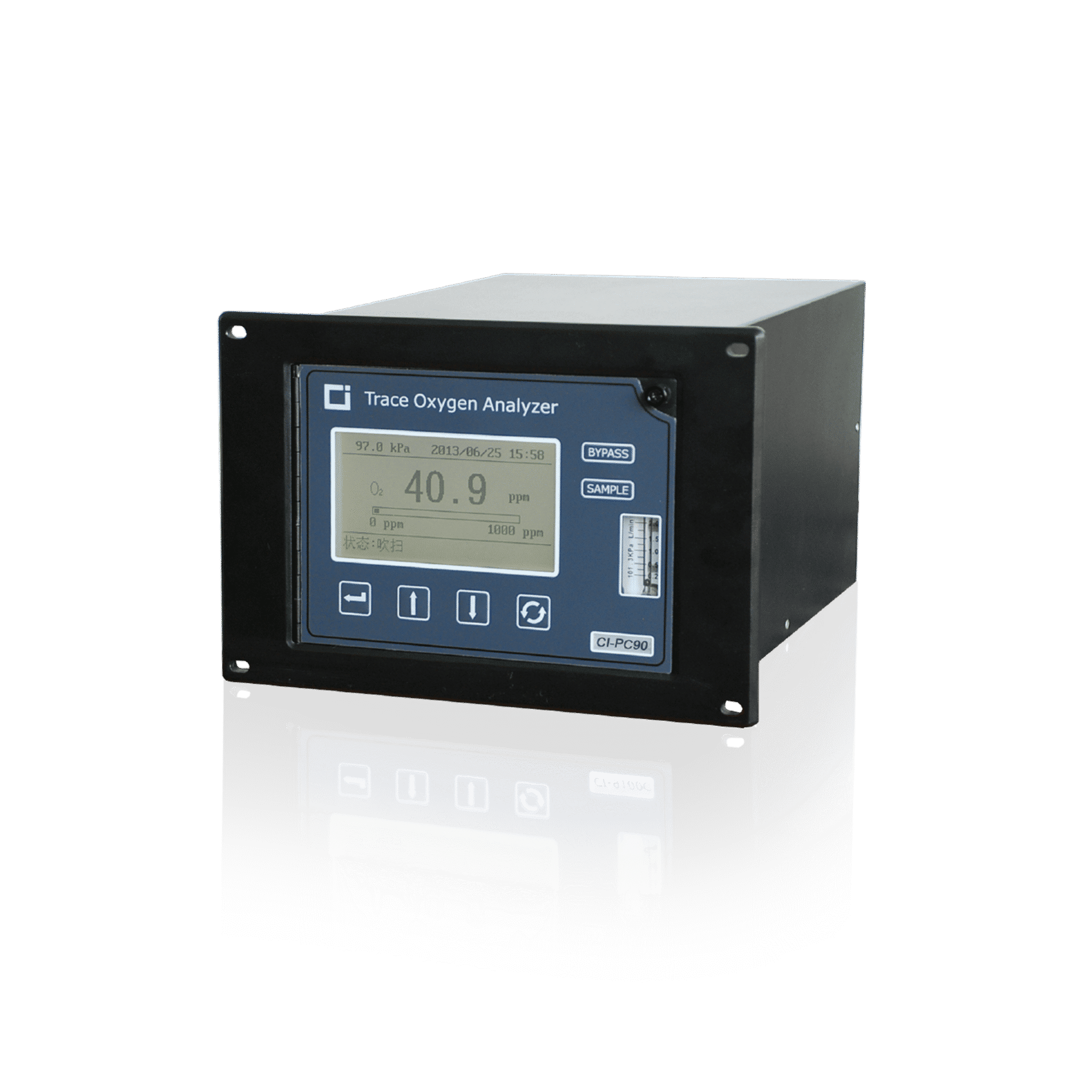
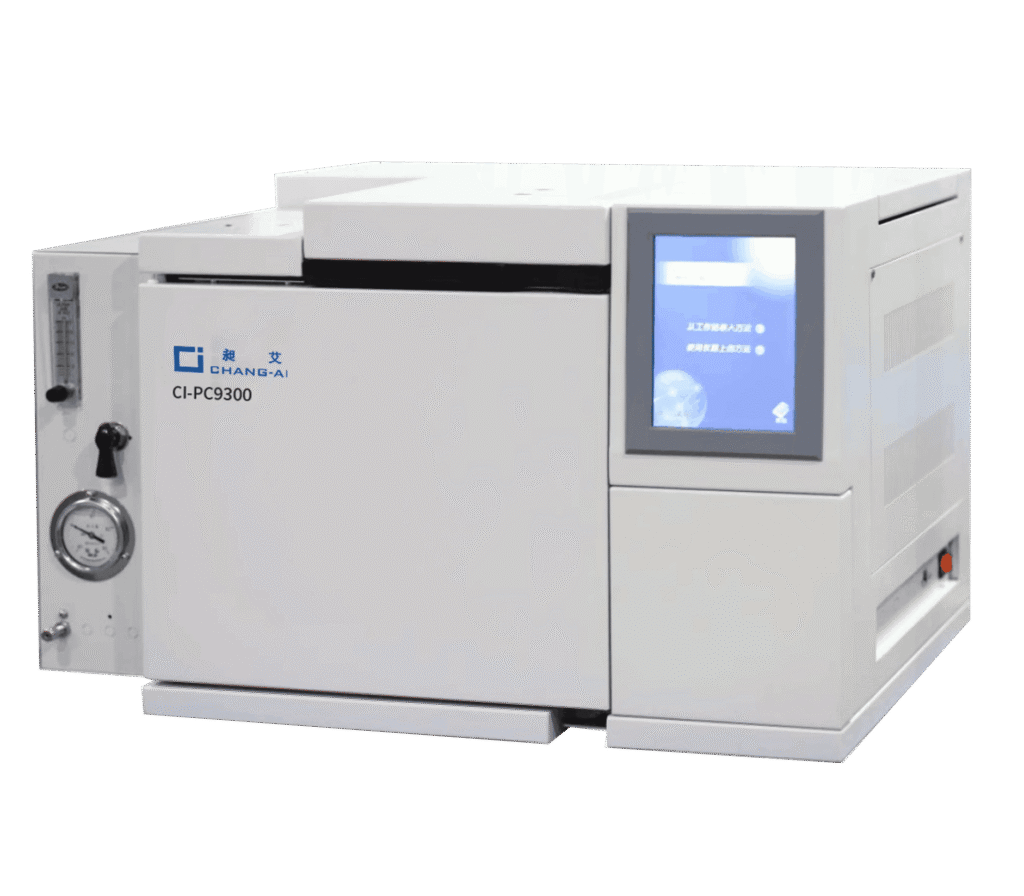
Gas testing shapes safety, quality and profit in modern industry. Every refinery, factory and laboratory needs clear data about gas composition. Without that data, companies face risk. They may ship poor products. They may break safety rules. They may lose trust.
A gas chromatograph helps solve this problem. It separates complex gas mixtures and reveals what hides inside. When paired with a flame ionisation detector, the system becomes a trusted tool for hydrocarbon testing. Many industries rely on GC-FID because it delivers strong sensitivity and stable results.
This guide explores how the system works, why industries depend on it and how to choose the right configuration.
What is a Gas Chromatograph?
A gas chromatograph is an analytical instrument that separates and measures chemical compounds in a gas sample. It breaks a mixture into individual parts so laboratories can study each one.
Imagine a mixed group of runners starting a race together. As they move forward, faster runners pull ahead and slower runners fall behind. In the same way, different compounds move through the column at different speeds. This movement allows the system to separate them.
Industries use a gas chromatograph to:
- Check fuel composition
- Test air quality
- Detect impurities
- Monitor industrial processes
- Verify product standards
Because it produces clear and repeatable data, companies trust it for critical testing.
How a Gas Chromatograph Works
What is GC-FID (Flame Ionisation Detector)?
GC-FID refers to a gas chromatography system that uses a flame ionisation detector. This detector focuses on organic compounds, especially hydrocarbons.
Hydrocarbons form the backbone of fuels, petrochemicals and many industrial gases. Because of this, industries select GC-FID for routine and advanced hydrocarbon analysis.
How GC-FID Works
After separation in the column, compounds enter a hydrogen-air flame. The flame burns organic molecules and forms ions. These ions create an electrical current between two electrodes.
The detector measures this current. A stronger current signals a higher concentration of hydrocarbons. Since most organic compounds contain carbon, the detector responds strongly to them.
This design allows GC-FID to detect very low levels of hydrocarbons. At the same time, it ignores most permanent gases such as nitrogen and oxygen. This selectivity produces clean results with minimal interference.
Why GC-FID is Widely Used
Industries favour GC-FID for several reasons.
- It offers high sensitivity to hydrocarbons.
- It provides a wide linear response range.
- It produces stable baselines.
- It supports long-term operation with simple maintenance.
Because many industries handle fuels and organic vapours, GC-FID fits their daily testing needs. Laboratories can rely on their consistent output across thousands of samples.
Benefits of GC-FID for Hydrocarbon Analysis
Hydrocarbon testing demands accuracy. Small errors can affect pricing, safety and compliance. GC-FID delivers strong performance in this area.
Key benefits include:
- Detection of trace hydrocarbon levels
- Clear separation of complex fuel mixtures
- Strong repeatability across batches
- Straightforward calibration
In fuel analysis, the detector measures methane, ethane, propane and heavier hydrocarbons with precision. In environmental testing, it captures volatile organic compounds in air samples.
Since the signal relates directly to carbon content, laboratories can quantify results with confidence. This feature simplifies data interpretation and strengthens reporting accuracy.
Other Gas Chromatograph Detectors
Although GC-FID suits hydrocarbon testing, other detectors support different applications. Each detector serves a distinct purpose.
Thermal Conductivity Detector (TCD)
The Thermal Conductivity Detector measures changes in heat conductivity between the carrier gas and the sample.
TCD works well for:
- Hydrogen
- Nitrogen
- Oxygen
- Carbon dioxide
It responds to almost all compounds. However, it lacks the sensitivity of flame-based detectors. Laboratories use TCD for bulk gas analysis rather than trace hydrocarbon detection.
Pulsed Discharge Helium Ionisation Detector (PDHID)
PDHID uses helium plasma to ionise compounds. It detects trace impurities in permanent gases with strong sensitivity.
Industries choose PDHID for:
- High-purity gas testing
- Semiconductor production
- Speciality gas certification
It excels when trace detection matters.
Flame Photometric Detector (FPD)
FPD detects sulphur and phosphorus compounds. It burns the sample and measures the light emitted by specific elements.
Refineries rely on FPD to monitor sulphur levels in fuels. Environmental laboratories use it to track sulphur emissions.
Plasma Emission Detector (PED)
PED excites atoms in a plasma field and measures light emission. It detects multiple elements across a wide range.
Research facilities and advanced industrial labs adopt PED for specialised testing where multi-element analysis plays a key role.
GC-FID vs Other Detectors
| Feature | GC-FID | TCD | PDHID | FPD | PED |
| Primary Use | Hydrocarbons | Permanent gases | Trace impurities | Sulphur & phosphorus | Multi-element detection |
| Sensitivity | High | Moderate | Very high | High for S & P | High |
| Selectivity | Organic compounds | Universal | Broad | Element-specific | Multi-element |
| Maintenance | Simple | Simple | Moderate | Moderate | Complex |
| Common Industries | Oil & gas | Industrial gases | Electronics | Refineries | Research |
This comparison highlights why GC-FID dominates hydrocarbon testing while other detectors support specialised needs.
Key Features of Modern Gas Chromatograph Systems
Modern systems combine precision with durability. Manufacturers design instruments to withstand industrial environments.
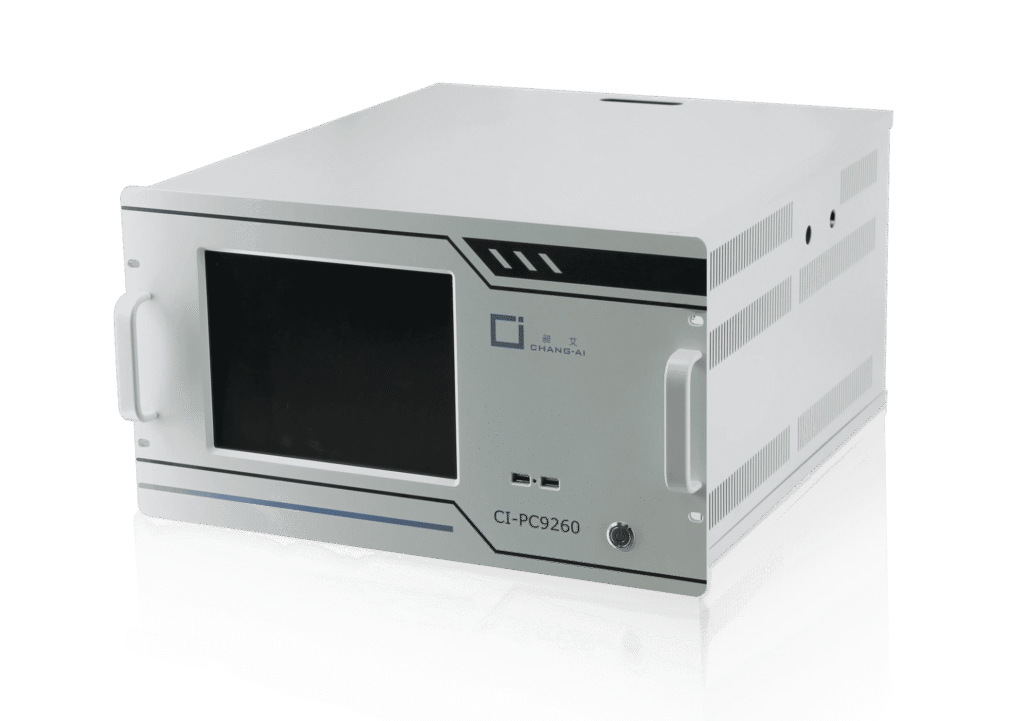
Important features include:
- Automated sampling valves
- Digital temperature control
- Fast heating and cooling cycles
- Remote monitoring capability
- Integrated data software
A modern gas chromatograph also supports network connectivity. Engineers can review data from control rooms without entering the laboratory. These features improve efficiency and reduce manual effort.
Industrial Applications in Malaysia
Malaysia hosts strong industries that depend on accurate gas analysis. From energy to food production, companies require reliable testing.
Oil and Gas Industry
Malaysia’s oil and gas sector forms a major part of the economy. Refineries analyse natural gas and petroleum products to ensure quality.
GC-FID systems support:
- Natural gas composition testing
- Refinery gas monitoring
- LPG analysis
- Fuel quality control
Accurate hydrocarbon measurement protects pipelines, storage tanks and export contracts.
Environmental Testing
Environmental agencies enforce emission standards. Laboratories test air samples to monitor pollution.
Gas chromatography helps detect:
- Methane emissions
- Volatile organic compounds
- Industrial solvent vapours
Clear data supports environmental protection and regulatory compliance.
Chemical & Petrochemical Industry
Chemical plants depend on precise feedstock control. Even small impurities can disrupt reactions.
Laboratories use gas analysis systems to:
- Confirm raw material purity
- Monitor reaction gases
- Check final product quality
This control improves efficiency and reduces waste.
Food and Beverage
Food producers test packaging gases and flavour compounds. Gas analysis helps maintain freshness and safety.
Applications include:
- Modified atmosphere packaging checks
- Residual solvent testing
- Flavour compound analysis
Accurate testing protects consumers and strengthens brand trust.
Pharmaceutical Industry
Pharmaceutical manufacturers test residual solvents in medicines. Strict standards govern these measurements.
Gas chromatography ensures:
- Compliance with international guidelines
- Accurate solvent quantification
- Consistent batch quality
Reliable data support patient safety and regulatory approval.
Why Gas Chromatography is Critical in Industry
Industry depends on precise measurement. Without clear data, companies risk product failure and safety incidents.
Gas chromatography supports:
- Process control
- Quality assurance
- Regulatory compliance
- Environmental responsibility
When engineers receive accurate chemical data, they make informed decisions. This knowledge strengthens operations and builds trust with clients and regulators.
How to Choose the Right Gas Chromatograph
Selecting the correct system requires careful thought. Each application demands specific performance levels.
Choose GC-FID if:
- You analyse hydrocarbons or organic vapours
- You require high sensitivity
- You test fuels, LPG or natural gas
- You need stable and repeatable results
Consider Other Detectors if:
- You measure permanent gases such as hydrogen or oxygen
- You analyse sulphur or phosphorus compounds
- You require ultra-trace impurity detection
- You need multi-element capability
A clear understanding of your testing goal ensures you invest in the correct solution.
Why Choose Chang Ai for Gas Chromatograph Solutions
Chang Ai delivers robust analytical systems built for industrial environments. The company designs each system to meet client needs.
Clients gain:
- Customised configurations
- Strong technical guidance
- Reliable after-sales support
- Competitive value
Chang Ai engineers craft systems that integrate with plant operations and meet industry standards. Our solutions support oil and gas, chemical processing and environmental laboratories across Malaysia.
Conclusion
Accurate gas analysis shapes modern industry. From refineries to pharmaceutical plants, companies rely on precise chemical data to safeguard quality and safety.
A gas chromatograph separates complex mixtures and reveals their true composition. When paired with a flame ionisation detector, the system becomes a powerful solution for hydrocarbon testing. GC-FID stands as a trusted choice because it delivers strong sensitivity, wide detection range and reliable performance.
You need to understand your application together with detector options before selecting a system which will support your operational targets. Your laboratory will achieve precise data collection through appropriate instrument selection which simultaneously supports regulatory compliance and ensures ongoing organisational stability.