Accurate measurement of gases is an important part of modern industries. It is because even a slight difference in the concentration level of gas can cause significant consequences, from safety problems to quality control concerns.
Despite the significance of gas measurement for various industries, most organizations experience difficulties with the traditional approach. They include slow reaction time, inaccurate readings, and increasing maintenance costs.
This is where the tunable diode laser and infrared gas analyzer have become a preferred solution. Known for its precision, speed, and reliability, these technologies help industries achieve continuous and accurate gas measurement in challenging environments.
This guide explains how these systems work, where they are used, and how to choose the right solution for your application.
What Is an Optical Gas Analyzer?
The optical gas analyzer works on the principle of detecting the gas using light. The analysis does not involve any chemical reaction or physical measurement. Rather, it involves shining light onto the gas and measuring its response.
Each gas has an inherent absorption characteristic for certain frequencies of light. Such an absorption characteristic serves as a unique signature for the identification of the gas.
Optical analysis of gas is often preferred because of its precision and high-speed capabilities. The optical sensors have a long life because they are non-contact types.
How Optical Gas Analysis Works
Optical gas analysis refers to gas analysis that uses light as opposed to physical contact to analyze gases. Identification is done through the detection of unique absorption spectra for each gas.
The method is done in the following easy steps:
- Light travels through the gas sample: A beam of light from the light source is passed through the process gas or analyzer chamber.
- Each gas will absorb certain wavelengths: Each gas will have its own characteristic absorption of light spectra.
- Detection of absorbed light: The light that escapes the absorption of the gas is detected.
- Calculation of gas concentration: Gas concentration in the mixture is calculated through software.
What Is a Tunable Diode Laser (TDLAS) Gas Analyzer?
A tunable diode laser gas analyzer is a high-tech optical sensing instrument that employs a semiconductor laser for measuring certain gases in the atmosphere.
The laser is specifically tuned to an emission spectrum that corresponds to the spectral absorption characteristics of the particular gas being analyzer.
How a Tunable Diode Laser Works
The laser covers a very small range of wavelengths. As it scans through the wavelengths, it will detect the absorbance peak of the targeted gas. Due to its highly accurate nature, the detector can detect one specific gas even if there are other gases around.
This happens directly within the pipe or duct, and the need to take samples is not required.
Key Advantages
The increasing popularity of TDLAS is attributable to various advantages.
- Accuracy: TDLAS is characterized by high precision even in trace amounts of gases.
- Fast-response time: Most instruments give results almost instantly, allowing for immediate actions.
- Low maintenance requirements: Many setups employ in-situ measurements without any sampling systems.
- Selectivity: The laser concentrates on one wavelength of gas, thus avoiding cross-interference.
- Tolerance: TDLAS analyzers work effectively in extreme conditions like high temperatures and dust.
What Is an Infrared Gas Analyzer?
An infrared gas analyzer determines gas concentration through infrared radiation absorption. Various gases have distinct absorptions of infrared radiation. Through analysis of the absorptions, the concentration of a particular gas can be determined.
How an Infrared Gas Analyzer Works
The analyzer extracts a sample of the gas and injects it into the measuring chamber. An IR beam is transmitted through the chamber. The detector detects the amount of IR absorption. Afterward, the concentration of the gas is calculated.
Most IR analyzers use what is known as the non-dispersive infrared or NDIR method, which involves using optical filters to select the appropriate wavelength.
Key Advantages
Infrared gas analyzers have continued to be widely used due to several advantages that they present.
- Time-proven technology: The infrared technique has been used successfully in industry for many years.
- Multiple-gas analysis: A variety of analyzers can perform simultaneous analysis of several gases.
- Economical operation: They perform reliably at low operational cost.
- Stable long-term calibration: The modern infrared analyzers exhibit excellent stability.
- Flexible application: They can be used in process monitoring, emissions analysis, and environmental applications.
Tunable Diode Laser vs Infrared Gas Analyzer
| Feature | TDLAS | Infrared (IR) |
| Measurement method | In-process, no sample needed | Sample drawn out for measurement |
| Response time | Very fast (under 10 seconds) | Moderate |
| Gas selectivity | Very high — one gas at a time | Moderate — one gas at a time |
| Maintenance | Very low | Moderate |
| Best for | Harsh process conditions | Multi-gas, controlled environments |
| Upfront cost | Higher | Lower |
Key Features of Modern Optical Gas Analyzers
The current gas analyzers are built with a view to offering precise analysis in tough industrial conditions.
In-Situ Or Extractive Design
In-situ analyzers perform analysis of gases in situ. Extractive analyzers extract samples and analyze them externally.
Analysis of Multiple Gases
Some gas analyzers have the ability to analyze multiple gases. It makes equipment requirements fewer and decreases installation costs.
Response Time
Quick analysis is possible due to the fast response time that facilitates quick actions when changes take place in processes.
Hazardous Area Certification
Certification of equipment for working in hazardous areas is required in some industrial locations. ATEX and IECEx certificates help to work safely in oil, gas, and chemical facilities.
Remote Diagnostics
Gas analyzers may communicate with the DCS and SCADA control systems that facilitate their remote diagnosis and planning.
Low Drift Design
Special low-drift design guarantees precise measurements that reduce the necessity of calibration and decrease maintenance costs.
Industrial Applications in Malaysia
Optical gas analyzers support a wide range of industries across Malaysia. Their ability to deliver accurate and continuous measurements helps improve safety, efficiency, and regulatory compliance.
Power Plants
Efficient combustion and emission reduction at power stations require precise gas analysis. The use of real-time data is beneficial for increasing fuel efficiency.
- Analysis of O₂ concentration in combustion reactions
- Analysis of CO concentration in emissions
- Enhance fuel efficiency and boiler efficiency
- Enable compliance with environmental regulations
Petrochemical & Oil and Gas
Petroleum and gas plants operate in harsh conditions, requiring an effective analysis of gases for safe processing and high-quality end products.
- Determine H₂S concentrations
- Analyze moisture contents in natural gas pipelines
- Analyze flare gas compositions
- Help in leakage detection
Chemical Manufacturing
Monitoring of the environment requires accurate emissions data. Continuous emissions measurements can be carried out using optical analyzers.
- Measure SO₂ and NOₓ emissions
- Monitor CO and CO₂ concentrations
- Provide CEMS (continuous emissions monitoring systems)
- Help to monitor environmental compliance
Environmental Monitoring
Environmental monitoring systems require reliable emissions measurements. The optical analyzer continuously provides data for documentation and compliance reasons.
- Measure SO₂ and NOₓ emissions
- Monitor CO and CO₂ concentrations
- Support continuous emissions monitoring systems (CEMS)
- Aid in environmental compliance reporting
Semiconductor & High-Tech Industries
The semiconductor industry needs high-purity process gases. Contamination at even tiny concentrations may impact quality and yield.
- Detect moisture at low levels
- Oxygen contamination measurement
- Ultra-pure process gas monitoring
- Protect quality and yield
Why Optical Gas Analysis Is Critical for Industry
Industrial plants require a balance between efficiency, safety, and regulations. Proper gas measurement will help ensure that these industrial operations run at an optimal level.
Gas analysis will increase the quality of products, decrease energy consumption, identify problems during production, and increase safety by providing accurate real-time information.
Inaccurate gas analysis will cost the plant extra money, cause operational downtime, and lead to complications in terms of regulations.
Choosing the Right Analyzer for Your Application
The right choice comes down to your process, the gas you need to measure, and how much maintenance your team can handle.
Choose TDLAS If:
- You need an in-process measurement with no sample system
- Speed matters — you need results in under 10 seconds
- Your process runs hot, at high pressure, or with a lot of dust
- You are measuring one gas and need high accuracy
- Access to the measurement point is difficult
Choose Infrared Analyzer If:
- You need to measure several gases at the same time
- Your process suits extractive sampling
- You work in a controlled setting like a lab or clean room
- You want a lower upfront cost for multi-gas setups
- You prefer a widely used, well-supported technology
Why Choose Chang Ai Optical Gas Analyzer Solutions
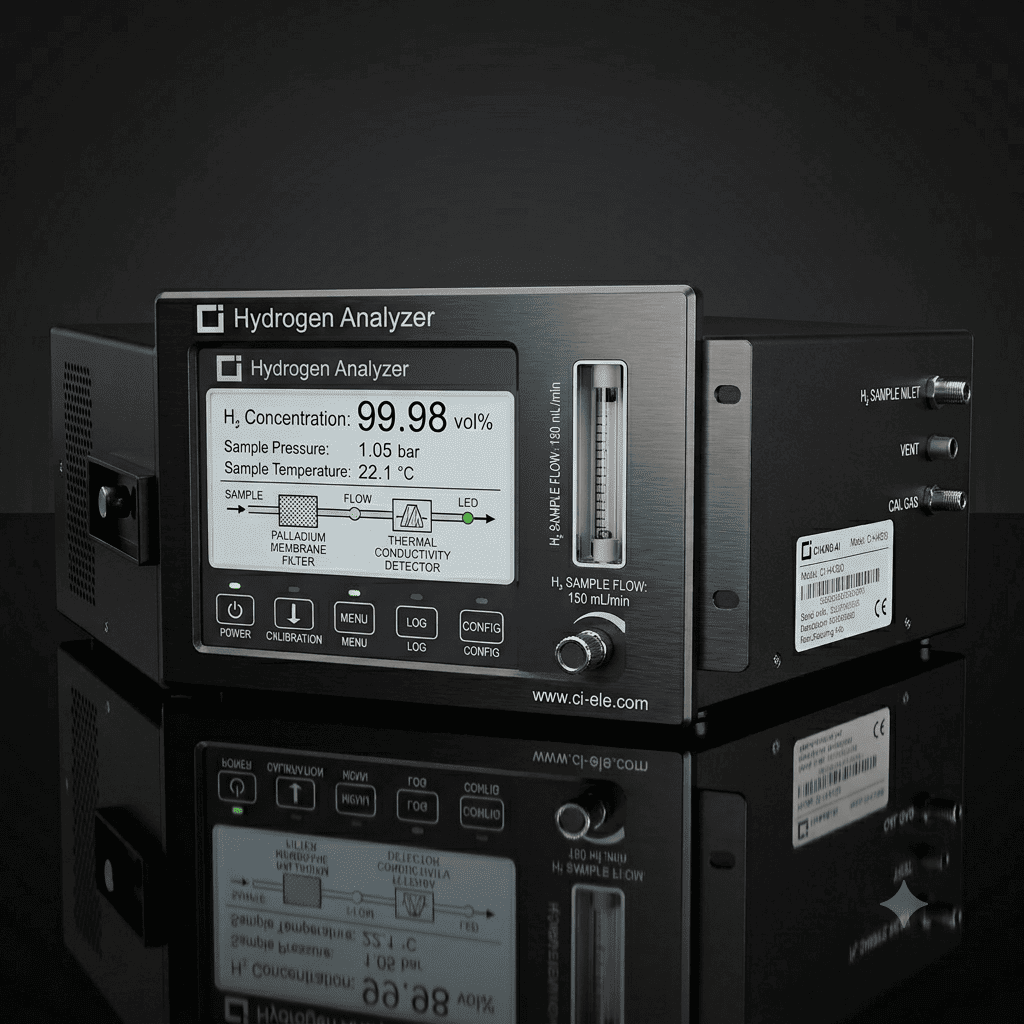
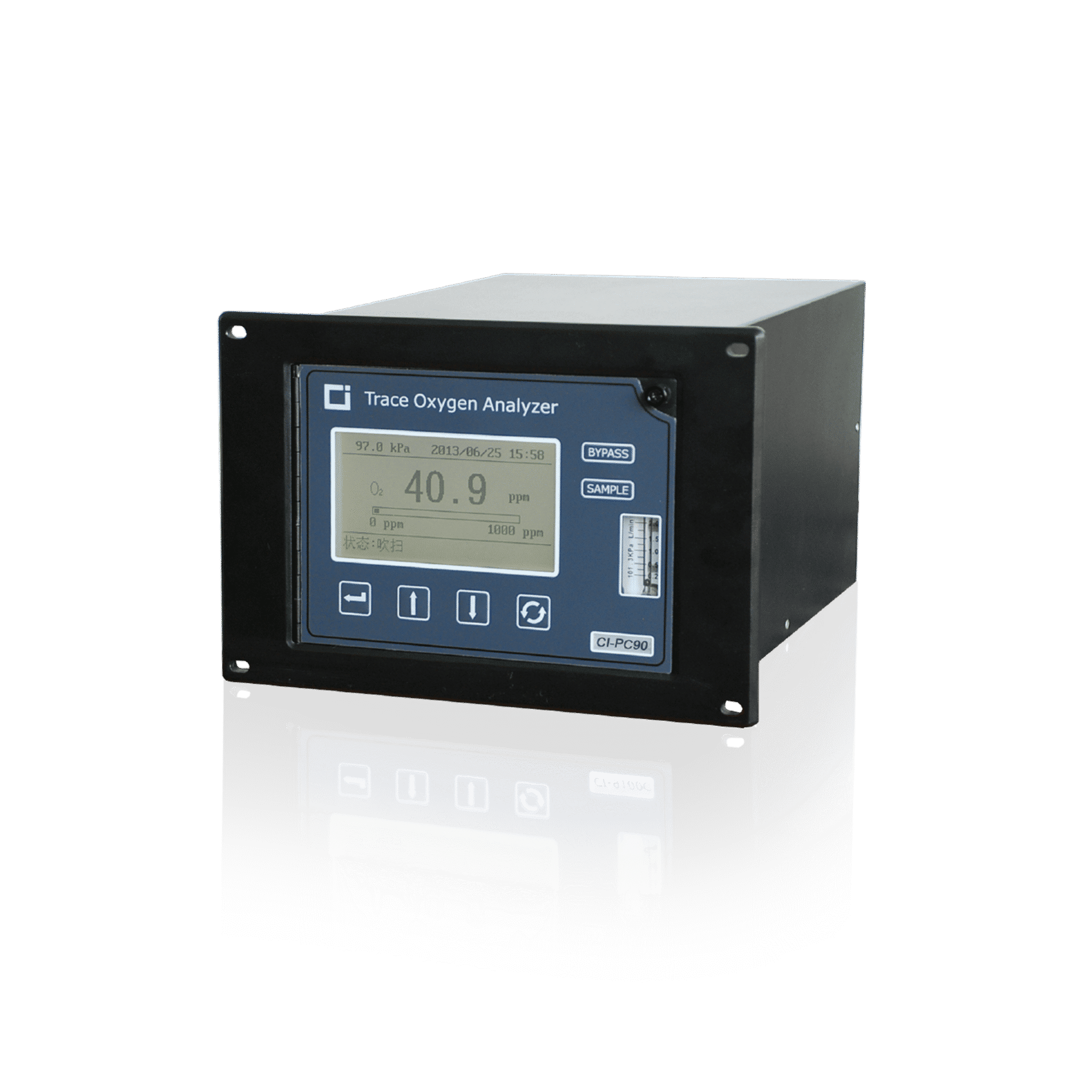
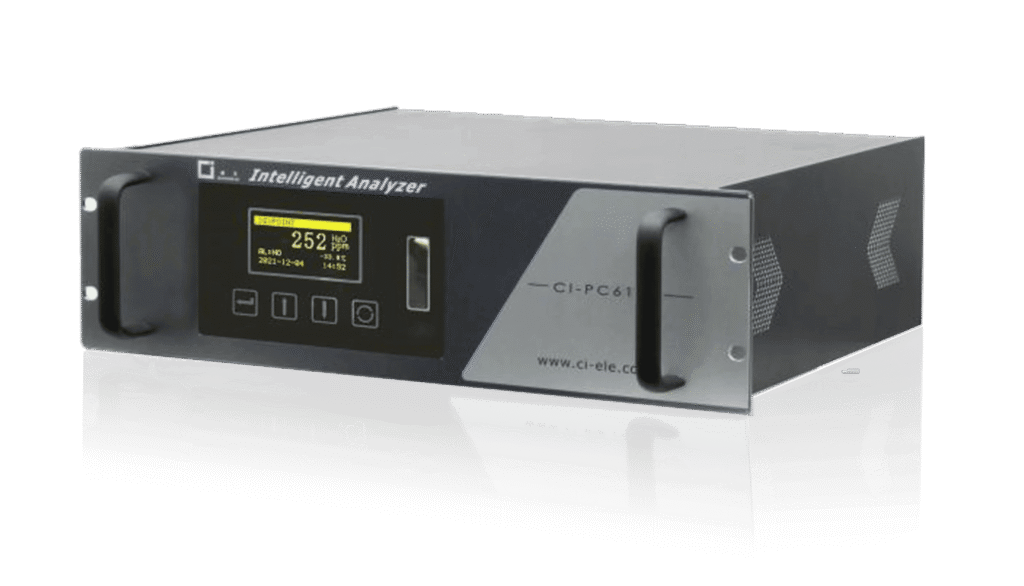
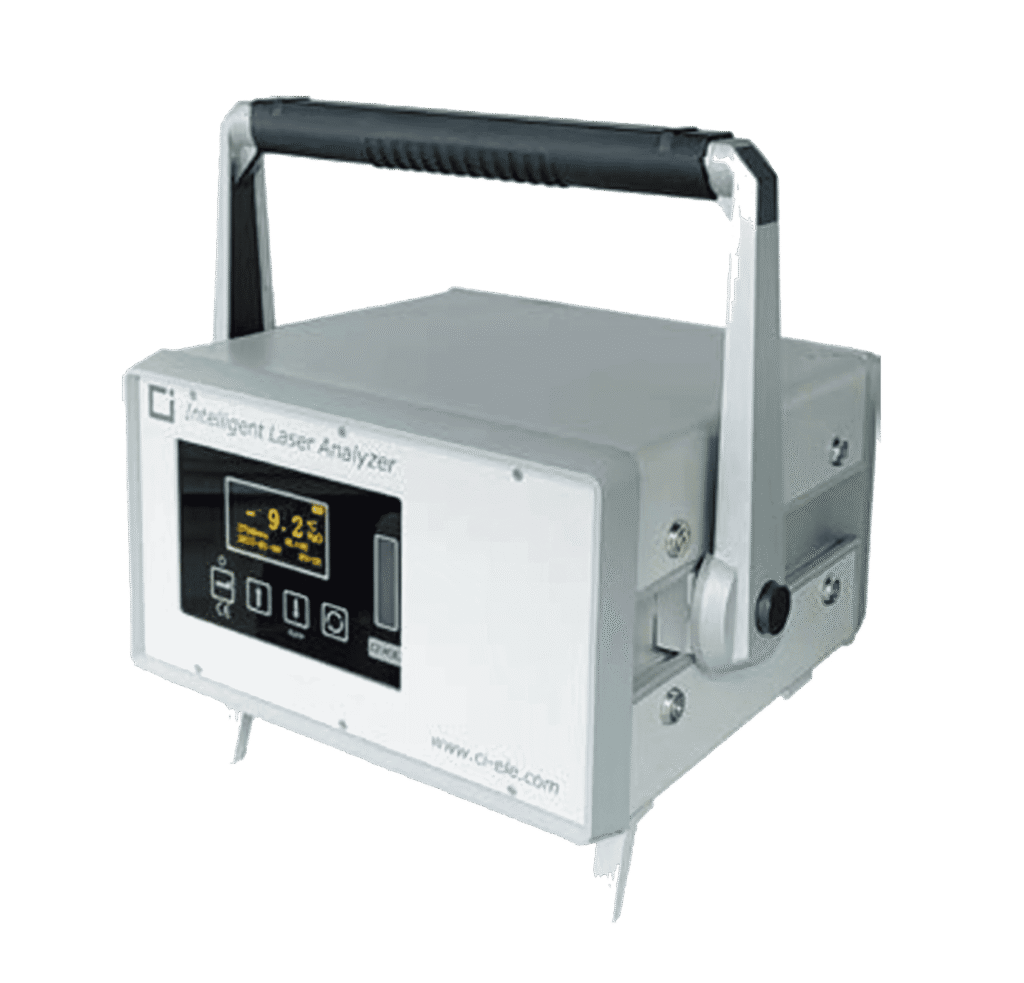
Chang Ai offers optical gas analyzer products that serve multiple industrial purposes. The products range from tunable diode laser gas analyzers to infrared gas analyzers.
Accurate measurement, high-performance capability, and rugged design make the products of Chang Ai very useful for harsh environmental conditions. We are also easy to maintain and integrate into systems.
Regardless of the application of the products, such as emission monitoring, process control, and safety purposes, Chang Ai assists industries with reliable gas analysis.
Conclusion
As efficiency, safety, and compliance become more critical in the industry, the need for precision in gas measurement remains on the rise. The importance of monitoring helps in maintaining the stability and efficiency of operation in plants.
Both the tunable diode laser and the infrared gas analyzer offer proven solutions for continuous gas monitoring. While TDLAS delivers exceptional accuracy and fast response in demanding conditions, infrared analyzers provide versatile and cost-effective performance across many applications.
Awareness about its working principles and capabilities allows making sound decisions on the improvement of the performance.